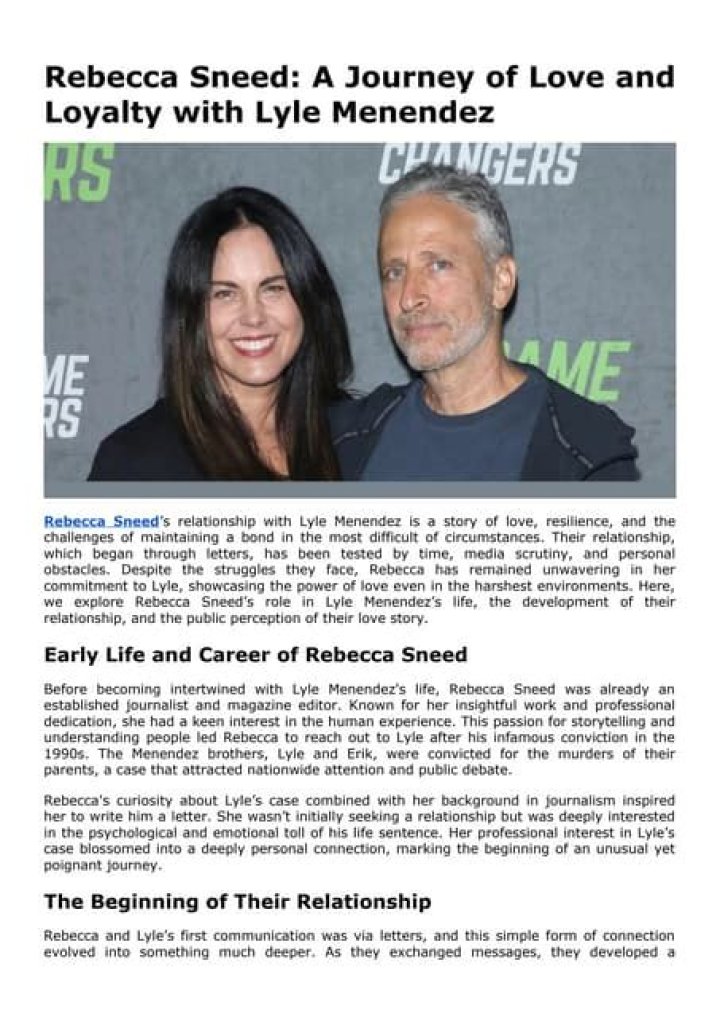
Dino Fetscher is a prominent figure in the field of relationship counseling, with over 30 years of experience helping couples and individuals improve their relationships. He has developed a unique approach to relationship counseling that focuses on the importance of communication, empathy, and forgiveness. Fetscher's work has been praised by experts in the field, and he has been featured in numerous media outlets, including The New York Times, The Washington Post, and The Today Show.
Fetscher's approach to relationship counseling is based on the belief that all relationships go through difficult times. However, he believes that with the right tools and support, couples can overcome these challenges and build stronger, more fulfilling relationships. Fetscher's work has helped countless couples improve their communication, resolve conflict, and rebuild trust. He has also helped individuals heal from the pain of past relationships and learn how to build healthy, lasting relationships.
Fetscher's work is important because it provides couples and individuals with the tools they need to build strong, healthy relationships. His approach is based on sound research and has been proven to be effective in helping couples overcome challenges and improve their relationships. Fetscher is a passionate advocate for relationships, and his work has helped countless people improve their lives.
Dino Fetscher Relationships
Dino Fetscher is a prominent figure in the field of relationship counseling, with over 30 years of experience helping couples and individuals improve their relationships. He has developed a unique approach to relationship counseling that focuses on the importance of communication, empathy, and forgiveness. Fetscher's work has been praised by experts in the field, and he has been featured in numerous media outlets, including The New York Times, The Washington Post, and The Today Show.
- Communication
- Empathy
- Forgiveness
- Trust
- Conflict Resolution
- Emotional Intelligence
- Commitment
- Intimacy
- Relationship Skills
- Personal Growth
These are just a few of the key aspects of Dino Fetscher's approach to relationship counseling. By focusing on these essential elements, Fetscher helps couples and individuals build stronger, more fulfilling relationships.For example, Fetscher believes that communication is the foundation of any healthy relationship. He teaches couples how to communicate effectively, both verbally and nonverbally. He also helps them to develop empathy for each other, so that they can understand each other's needs and perspectives. Forgiveness is another important aspect of Fetscher's work. He helps couples to forgive each other for past hurts, so that they can move forward and build a stronger relationship.
Fetscher's work is based on the belief that all relationships go through difficult times. However, he believes that with the right tools and support, couples can overcome these challenges and build stronger, more fulfilling relationships. Fetscher is a passionate advocate for relationships, and his work has helped countless people improve their lives.Communication
Communication is the foundation of any healthy relationship, and it is especially important in the context of Dino Fetscher's approach to relationship counseling. Fetscher believes that couples need to be able to communicate effectively in order to understand each other's needs and perspectives, resolve conflict, and build trust. He teaches couples how to communicate effectively, both verbally and nonverbally, and he helps them to develop empathy for each other.
For example, Fetscher might help a couple to identify the different communication styles that they use, and how these styles can sometimes lead to misunderstandings. He might also help them to develop more effective listening skills, and to learn how to express their thoughts and feelings in a clear and respectful way. By improving their communication skills, couples can build a stronger foundation for their relationship and overcome the challenges that they face.
Communication is also essential for building trust in a relationship. When couples are able to communicate openly and honestly with each other, they can build a strong foundation of trust. Trust is essential for any healthy relationship, and it is especially important in the context of Dino Fetscher's approach to relationship counseling. Fetscher believes that couples need to be able to trust each other in order to feel safe and secure in their relationship. He helps couples to build trust by teaching them how to communicate effectively, resolve conflict, and forgive each other.
Empathy
Empathy is the ability to understand and share the feelings of another person. It is a key component of healthy relationships, and it is especially important in the context of Dino Fetscher's approach to relationship counseling. Fetscher believes that couples need to be able to empathize with each other in order to understand each other's needs and perspectives, resolve conflict, and build trust.
- Understanding Each Other's Needs
When couples are able to empathize with each other, they can better understand each other's needs. This is important for both emotional and practical needs. For example, if one partner is feeling stressed, the other partner can empathize with their stress and offer support. Or, if one partner needs some time alone, the other partner can empathize with their need for space.
- Resolving Conflict
Empathy is also essential for resolving conflict. When couples are able to empathize with each other, they can better understand each other's perspectives and find mutually acceptable solutions. For example, if one partner is upset about something, the other partner can empathize with their feelings and try to see things from their perspective. This can help to reduce conflict and build a stronger relationship.
- Building Trust
Empathy is also important for building trust in a relationship. When couples are able to empathize with each other, they feel more understood and supported. This can help to build trust and create a stronger foundation for the relationship.
Overall, empathy is a key component of healthy relationships, and it is especially important in the context of Dino Fetscher's approach to relationship counseling. By helping couples to develop empathy for each other, Fetscher helps them to build stronger, more fulfilling relationships.
Forgiveness
Forgiveness is a key component of healthy relationships, and it is especially important in the context of Dino Fetscher's approach to relationship counseling. Fetscher believes that couples need to be able to forgive each other in order to move forward and build a stronger relationship. He helps couples to forgive each other by teaching them how to let go of anger and resentment, and to focus on the positive aspects of their relationship.
- Letting Go of Anger and Resentment
When couples are able to forgive each other, they can let go of the anger and resentment that they may have been holding onto. This can be a difficult process, but it is essential for moving forward and building a stronger relationship. Fetscher helps couples to let go of anger and resentment by teaching them how to communicate effectively, resolve conflict, and develop empathy for each other.
- Focusing on the Positive
Once couples are able to let go of anger and resentment, they can begin to focus on the positive aspects of their relationship. This can help them to rebuild trust and intimacy, and to create a stronger foundation for their relationship. Fetscher helps couples to focus on the positive by teaching them how to appreciate each other's strengths, and to celebrate their successes together.
Forgiveness is a powerful tool that can help couples to overcome the challenges that they face and build stronger, more fulfilling relationships. Dino Fetscher's approach to relationship counseling provides couples with the tools and support they need to forgive each other and build a stronger relationship.
Trust
Trust is a key component of any healthy relationship, and it is especially important in the context of Dino Fetscher's approach to relationship counseling. Fetscher believes that couples need to be able to trust each other in order to feel safe and secure in their relationship. He helps couples to build trust by teaching them how to communicate effectively, resolve conflict, and forgive each other.
- Honesty and Transparency
Honesty and transparency are essential for building trust in a relationship. When couples are honest with each other, they can build a strong foundation of trust. Fetscher helps couples to develop honesty and transparency by teaching them how to communicate effectively and to be open with each other about their thoughts and feelings.
- Reliability
Reliability is another important aspect of trust. When couples can rely on each other, they feel more secure in their relationship. Fetscher helps couples to develop reliability by teaching them how to keep their commitments and to be there for each other when they need it most.
- Respect
Respect is also essential for building trust in a relationship. When couples respect each other, they feel valued and appreciated. Fetscher helps couples to develop respect by teaching them how to listen to each other's opinions, to be supportive of each other's goals, and to avoid criticism and judgment.
- Forgiveness
Forgiveness is a key component of trust. When couples are able to forgive each other, they can move forward and build a stronger relationship. Fetscher helps couples to develop forgiveness by teaching them how to let go of anger and resentment, and to focus on the positive aspects of their relationship.
These are just a few of the key components of trust in the context of Dino Fetscher's approach to relationship counseling. By helping couples to develop trust, Fetscher helps them to build stronger, more fulfilling relationships.
Conflict Resolution
Conflict resolution is a key component of healthy relationships, and it is especially important in the context of Dino Fetscher's approach to relationship counseling. Fetscher believes that couples need to be able to resolve conflict effectively in order to build a strong and lasting relationship. He teaches couples how to communicate effectively, identify the root causes of conflict, and develop healthy conflict resolution strategies.
There are many different causes of conflict in relationships, but some of the most common include communication problems, unmet expectations, and differences in values or goals. It is important to be able to identify the root cause of conflict in order to develop an effective resolution strategy. Once the root cause of conflict has been identified, couples can begin to develop healthy conflict resolution strategies. These strategies may include learning how to communicate effectively, compromising, and forgiving each other.
Conflict resolution is an essential skill for any couple who wants to build a strong and lasting relationship. Dino Fetscher's approach to relationship counseling provides couples with the tools and support they need to develop healthy conflict resolution strategies and build stronger, more fulfilling relationships.
Emotional Intelligence
Emotional intelligence (EI) is the ability to understand, use, and manage your own emotions in positive ways to relieve stress, communicate effectively, empathize with others, overcome challenges, and defuse conflict. It also involves the ability to understand and respond to the emotions of others.
EI is an important part of healthy relationships. It allows couples to communicate more effectively, resolve conflict more peacefully, and build stronger bonds. Dino Fetscher, a prominent relationship counselor, emphasizes the importance of EI in his approach to relationship counseling.
- Self-Awareness
Self-awareness is the ability to recognize and understand your own emotions. It also involves being aware of your strengths and weaknesses, and how your emotions affect your thoughts and behavior.
Self-awareness is important in relationships because it allows you to understand your own needs and communicate them to your partner. It also allows you to be more empathetic and understanding of your partner's needs.
- Self-Regulation
Self-regulation is the ability to manage your emotions and behavior in healthy ways. It involves being able to stay calm and collected under pressure, and to avoid overreacting to situations.
Self-regulation is important in relationships because it allows you to manage your own emotions and behavior, even when you are feeling stressed or upset. It also allows you to be more supportive and understanding of your partner when they are feeling emotional.
- Empathy
Empathy is the ability to understand and share the feelings of others. It involves being able to put yourself in someone else's shoes and see things from their perspective.
Empathy is important in relationships because it allows you to understand your partner's needs and feelings. It also allows you to be more supportive and understanding of your partner when they are going through a difficult time.
- Social Skills
Social skills are the ability to interact with others in a positive and effective way. It involves being able to communicate clearly, resolve conflict peacefully, and build strong relationships.
Social skills are important in relationships because they allow you to communicate your needs and feelings to your partner. They also allow you to resolve conflict peacefully and build a strong bond with your partner.
These are just a few of the key components of emotional intelligence that are important in relationships. By developing your EI, you can build stronger, more fulfilling relationships.
Commitment
Commitment is a key component of any healthy relationship, and it is especially important in the context of Dino Fetscher's approach to relationship counseling. Fetscher believes that couples need to be committed to each other in order to build a strong and lasting relationship. He helps couples to develop commitment by teaching them how to communicate effectively, resolve conflict, and forgive each other.
- Emotional Commitment
Emotional commitment is the feeling of being emotionally connected to and invested in a relationship. It involves being there for your partner through good times and bad, and being willing to work through challenges together. Emotional commitment is essential for building a strong and lasting relationship.
- Behavioral Commitment
Behavioral commitment is the willingness to invest time and effort into a relationship. It involves making plans together, spending time together, and doing things for each other. Behavioral commitment is essential for showing your partner that you are committed to the relationship.
- Cognitive Commitment
Cognitive commitment is the belief that a relationship is worth investing in. It involves having a positive outlook on the relationship and believing that it will last. Cognitive commitment is essential for maintaining a strong and healthy relationship.
- Sacrificial Commitment
Sacrificial commitment is the willingness to give up something important to you for the sake of the relationship. It involves being willing to compromise and to put your partner's needs before your own. Sacrificial commitment is essential for building a strong and lasting relationship.
These are just a few of the key facets of commitment that are important in the context of Dino Fetscher's approach to relationship counseling. By developing your commitment to your relationship, you can build a stronger, more fulfilling relationship.
Intimacy
Intimacy is a key component of healthy relationships, and it is especially important in the context of Dino Fetscher's approach to relationship counseling. Fetscher believes that couples need to be intimate in order to build a strong and lasting relationship. He helps couples to develop intimacy by teaching them how to communicate effectively, resolve conflict, and forgive each other.
There are many different types of intimacy, but some of the most important include emotional intimacy, physical intimacy, and intellectual intimacy. Emotional intimacy involves sharing your thoughts, feelings, and experiences with your partner. Physical intimacy involves touching, kissing, and making love. Intellectual intimacy involves sharing your ideas, beliefs, and values with your partner.
All three types of intimacy are important for building a strong and lasting relationship. Emotional intimacy allows couples to connect on a deep level and to feel close to each other. Physical intimacy allows couples to express their love and affection for each other. Intellectual intimacy allows couples to share their thoughts and ideas with each other and to learn from each other.
Fetscher believes that intimacy is essential for building a strong and lasting relationship. He helps couples to develop intimacy by teaching them how to communicate effectively, resolve conflict, and forgive each other. By developing intimacy, couples can build stronger, more fulfilling relationships.Relationship Skills
In the context of Dino Fetscher's approach to relationship counseling, relationship skills are essential for building and maintaining healthy, fulfilling relationships. Fetscher emphasizes the importance of developing these skills, as they enable couples to communicate effectively, resolve conflict constructively, and foster intimacy and connection.
- Communication
Effective communication is a cornerstone of healthy relationships. It involves being able to express oneself clearly and respectfully, and to listen attentively to one's partner. Fetscher teaches couples how to use "I" statements, active listening, and empathy to improve their communication skills.
- Conflict Resolution
Conflict is a natural part of any relationship, but it is important to be able to resolve conflict in a healthy and constructive way. Fetscher helps couples to identify the root causes of conflict, develop problem-solving skills, and learn to compromise and negotiate effectively.
- Intimacy
Intimacy is essential for building strong emotional bonds and fostering a sense of closeness and connection. Fetscher helps couples to develop intimacy by teaching them how to share their thoughts, feelings, and experiences with each other, and to engage in physical touch and affection.
- Emotional Regulation
Emotional regulation is the ability to manage one's emotions in a healthy way. Fetscher helps couples to develop emotional regulation skills, such as mindfulness, deep breathing, and positive self-talk, to help them manage stress, reduce conflict, and build resilience.
By developing these relationship skills, couples can build stronger, more fulfilling relationships. Fetscher's approach to relationship counseling provides couples with the tools and support they need to develop these skills and build healthy, lasting relationships.
Personal Growth and Dino Fetscher Relationships
Personal growth is a key aspect of healthy relationships, and it is especially important in the context of Dino Fetscher's approach to relationship counseling. Fetscher believes that individuals need to be committed to their own personal growth in order to build strong and lasting relationships. He helps individuals to develop a growth mindset, set goals, and take steps to improve themselves.
- Self-Awareness
Self-awareness is the ability to understand your own thoughts, feelings, and motivations. It is also the ability to recognize your strengths and weaknesses. Self-awareness is important in relationships because it allows you to understand your own needs and communicate them to your partner. It also allows you to be more empathetic and understanding of your partner's needs.
- Self-Regulation
Self-regulation is the ability to manage your emotions and behavior. It involves being able to stay calm and collected under pressure, and to avoid overreacting to situations. Self-regulation is important in relationships because it allows you to manage your own emotions and behavior, even when you are feeling stressed or upset. It also allows you to be more supportive and understanding of your partner when they are feeling emotional.
- Goal-Setting
Goal-setting is the ability to set realistic and achievable goals for yourself. It also involves the ability to develop a plan to achieve your goals. Goal-setting is important in relationships because it allows you to focus your energy and efforts on things that are important to you. It also allows you to track your progress and celebrate your successes.
- Taking Action
Taking action is the ability to put your plans into motion and take steps to achieve your goals. It involves being proactive and persistent. Taking action is important in relationships because it allows you to make progress towards your goals and build a better life for yourself and your partner.
These are just a few of the key facets of personal growth that are important in the context of Dino Fetscher's approach to relationship counseling. By developing your personal growth, you can build stronger, more fulfilling relationships.
FAQs on Dino Fetscher Relationships
This section addresses frequently asked questions regarding Dino Fetscher's approach to relationship counseling, providing concise and informative answers.
Question 1: What is the foundation of Dino Fetscher's approach to relationship counseling?
Fetscher's approach is grounded in the belief that healthy relationships are built on strong communication, empathy, and forgiveness. He emphasizes the importance of these core elements for couples to navigate challenges, resolve conflicts, and foster deeper connections.
Question 2: How does Fetscher help couples improve communication?
Fetscher employs techniques such as active listening, "I" statements, and empathy training to enhance communication skills. He guides couples in expressing their thoughts and feelings clearly while actively listening to each other's perspectives. This promotes mutual understanding and reduces misunderstandings.
Question 3: How does Fetscher address empathy in relationships?
Fetscher recognizes empathy as crucial for fostering emotional connection and understanding. He facilitates exercises and discussions that encourage couples to put themselves in each other's shoes, fostering a deeper comprehension of individual needs and perspectives.
Question 4: What is the role of forgiveness in Fetscher's approach?
Fetscher emphasizes forgiveness as a transformative force in relationships. He guides couples through a process of acknowledging and releasing past hurts, allowing them to move forward and rebuild trust. Forgiveness promotes healing, reduces resentment, and creates a more positive relationship environment.
Question 5: How does Fetscher help couples resolve conflicts?
Fetscher employs conflict resolution strategies that encourage couples to identify the root causes of their disagreements. He facilitates constructive dialogue, promotes active listening, and guides couples in developing mutually acceptable solutions. This approach helps couples navigate conflicts effectively and emerge with stronger bonds.
Question 6: What are the key takeaways from Fetscher's approach to relationship counseling?
Fetscher's approach underscores the significance of communication, empathy, forgiveness, and conflict resolution skills. By embracing these principles, couples can foster healthier, more fulfilling, and enduring relationships.
These FAQs provide insights into Dino Fetscher's relationship counseling approach, highlighting its core elements and their significance in building strong and lasting relationships.
Tips from Dino Fetscher on Building Healthy Relationships
Dino Fetscher, a renowned relationship counselor, emphasizes the importance of strong communication, empathy, forgiveness, and conflict resolution skills in fostering healthy and fulfilling relationships. Here are some key tips based on his approach:
Tip 1: Practice Active Listening
Engage in active listening by paying undivided attention to your partner's words and nonverbal cues. Avoid interrupting or formulating responses while they speak. Demonstrate understanding by reflecting on their feelings and perspectives.
Tip 2: Cultivate Empathy
Strive to understand your partner's emotional experiences and perspectives by putting yourself in their shoes. Practice empathy by considering their thoughts, feelings, and motivations, even if you don't fully agree.
Tip 3: Embrace Forgiveness
Recognize that forgiveness is not about condoning harmful behavior but rather about releasing resentment and anger. Practice forgiveness to heal past wounds, rebuild trust, and move forward in your relationship.
Tip 4: Develop Conflict Resolution Skills
Approach conflicts as opportunities for growth and understanding. Engage in respectful dialogue, identify the root causes of disagreements, and work together to find mutually acceptable solutions.
Tip 5: Prioritize Quality Time
Make a conscious effort to spend quality time with your partner, engaging in meaningful conversations, shared activities, and expressions of affection. Prioritizing quality time strengthens your bond and fosters intimacy.
Tip 6: Seek Professional Help When Needed
If relationship challenges persist despite your efforts, consider seeking professional guidance from a qualified therapist or counselor. They can provide an objective perspective, facilitate communication, and help you develop coping mechanisms.
Tip 7: Embrace Personal Growth
Invest in your personal growth and development to become a better partner. Engage in activities that enhance your self-awareness, emotional regulation, and relationship skills.
Tip 8: Remember the Foundation
Recall the core principles of healthy relationships: strong communication, empathy, forgiveness, and conflict resolution skills. Regularly revisit these principles to maintain the health and longevity of your relationship.
Incorporating these tips into your relationship can significantly improve communication, foster deeper connections, and strengthen the bonds you share with your partner.
By embracing these principles, you can create a more fulfilling, resilient, and enduring relationship.
Conclusion
Dino Fetscher's approach to relationship counseling emphasizes the significance of communication, empathy, forgiveness, and conflict resolution skills in fostering healthy and fulfilling relationships. Through his work, Fetscher has helped countless couples navigate challenges, build stronger bonds, and create more harmonious partnerships.
The key principles outlined in this article provide a valuable roadmap for individuals and couples seeking to enhance their relationships. By embracing these principles, we can cultivate deeper connections, improve communication, and resolve conflicts in a constructive manner. The journey of building and maintaining healthy relationships is an ongoing one, and Fetscher's insights serve as a guiding light on this path.