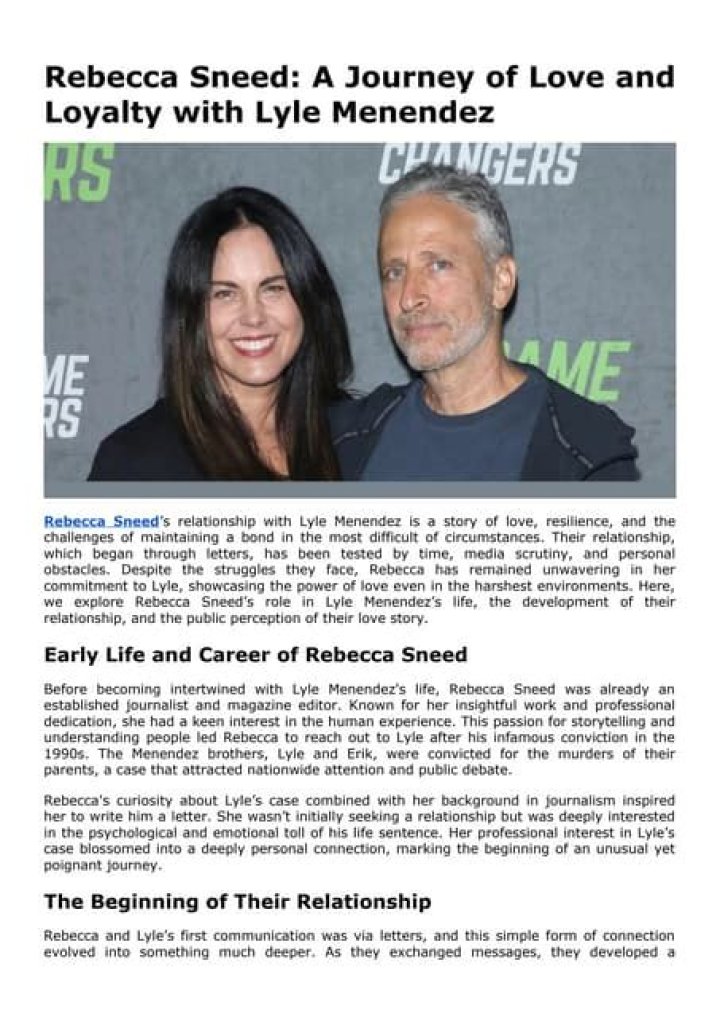
Doris Kearns Goodwin's cancer diagnosis
In 2019, Doris Kearns Goodwin was diagnosed with lung cancer. She underwent surgery and radiation therapy and is now in remission. Goodwin has been open about her cancer diagnosis and treatment, and she has used her platform to raise awareness of the disease. She has also spoken about the importance of early detection and treatment.
Goodwin's cancer diagnosis is a reminder that cancer can affect anyone, regardless of age or health. It is also a reminder of the importance of early detection and treatment. If you have any concerns about your health, please see your doctor right away.
Doris Kearns Goodwin's Cancer Diagnosis
Doris Kearns Goodwin, a renowned historian and author, was diagnosed with lung cancer in 2019. Her diagnosis has brought attention to the importance of early detection and treatment for cancer.
- Diagnosis: Goodwin was diagnosed with lung cancer after experiencing persistent coughing and shortness of breath.
- Treatment: She underwent surgery to remove the cancerous tumor, followed by radiation therapy.
- Remission: Goodwin is now in remission, meaning that there is no evidence of cancer in her body.
- Advocacy: Goodwin has used her platform to raise awareness about lung cancer and the importance of early detection.
- Inspiration: Her story has inspired others who are facing cancer.
- Support: Goodwin has received support from her family, friends, and colleagues during her cancer journey.
- Hope: Goodwin's story offers hope to others who are facing cancer.
- Resilience: She has shown great resilience in facing her cancer diagnosis and treatment.
- Courage: Goodwin has been courageous in sharing her story with others.
- Gratitude: She is grateful for the support she has received and for being in remission.
Goodwin's cancer diagnosis is a reminder that cancer can affect anyone, regardless of age or health. It is also a reminder of the importance of early detection and treatment. If you have any concerns about your health, please see your doctor right away.
| Name | Occupation | Birthdate | Birthplace |
|---|---|---|---|
| Doris Kearns Goodwin | Historian and author | January 4, 1943 | Brooklyn, New York |
Diagnosis
The diagnosis of lung cancer in Doris Kearns Goodwin highlights the importance of recognizing and addressing persistent symptoms. Her experience underscores several key points:
- Early Detection: Goodwin's symptoms, including persistent coughing and shortness of breath, prompted her to seek medical attention, leading to an early diagnosis. Early detection of cancer is crucial for improving treatment outcomes and survival rates.
- Importance of Symptoms: Goodwin's case emphasizes that persistent symptoms, even seemingly minor ones, should not be ignored. Seeking medical evaluation for unexplained changes in health can lead to timely diagnosis and appropriate treatment.
- Common Symptoms: Coughing and shortness of breath are common symptoms of lung cancer, but they can also be associated with other conditions. It is essential to consult a healthcare professional for proper diagnosis and to rule out any underlying medical issues.
- Lung Cancer Awareness: Goodwin's diagnosis brings attention to the prevalence of lung cancer, which remains a leading cause of cancer-related deaths worldwide. Raising awareness about risk factors, symptoms, and screening recommendations can contribute to early detection and improved outcomes.
Goodwin's experience serves as a reminder that paying attention to our bodies and seeking medical advice when necessary are vital for maintaining good health. Early detection and timely intervention can significantly impact cancer treatment and prognosis.
Treatment
The treatment Doris Kearns Goodwin received for her lung cancer highlights the importance of timely and appropriate medical intervention in cancer care. Her treatment plan, which involved surgery followed by radiation therapy, is a common approach for many types of cancer.
Surgery is often the primary treatment for localized tumors, aiming to remove the cancerous tissue while preserving healthy surrounding tissue. In Goodwin's case, surgery was performed to remove the cancerous tumor in her lung. Radiation therapy is often used after surgery to target any remaining cancer cells and reduce the risk of recurrence. Radiation therapy uses high-energy beams to destroy cancer cells.
The decision to undergo surgery and radiation therapy is based on several factors, including the stage and location of the cancer, the patient's overall health, and their preferences. Goodwin's treatment plan was likely tailored to her specific situation and needs.
The effectiveness of Goodwin's treatment is reflected in her current status of being in remission. Remission indicates that there is no evidence of cancer in her body, and she is closely monitored to ensure that the cancer does not return.
Goodwin's experience underscores the importance of early detection, prompt treatment, and adherence to medical advice in cancer care. Her successful treatment journey offers hope and inspiration to others facing similar challenges.
Remission
The term "remission" in the context of cancer refers to a state in which there is no detectable evidence of cancer cells in the body. This is a significant milestone in a cancer patient's journey, as it indicates that the treatment has been successful in eradicating or controlling the disease.
In Doris Kearns Goodwin's case, her remission status is a testament to the effectiveness of her treatment plan, which included surgery and radiation therapy. It is a positive outcome that offers hope and encouragement to other cancer patients.
Remission is not a cure, but it can be a long-lasting state for many patients. Regular follow-up appointments and monitoring are essential to ensure that the cancer does not return. Goodwin's experience highlights the importance of adhering to medical advice and maintaining a healthy lifestyle during remission.
Understanding the concept of remission is crucial for anyone affected by cancer, as it provides a realistic and hopeful perspective on the disease. It is important to remember that remission is a positive step in the cancer journey, and it can empower patients to live full and meaningful lives.
Advocacy
Doris Kearns Goodwin's cancer diagnosis has motivated her to use her platform to raise awareness about lung cancer and the importance of early detection. Her advocacy efforts highlight the crucial role that public figures can play in educating the community about health issues.
- Public Education: Goodwin has shared her personal experience with lung cancer to educate the public about the disease, its symptoms, and the value of early detection. By speaking openly about her diagnosis and treatment, she has helped to break down stigmas associated with cancer and encourage others to seek medical attention if they have any concerns.
- Importance of Screening: Goodwin has emphasized the importance of regular cancer screenings, especially for individuals at high risk. She has urged people to get screened for lung cancer, even in the absence of symptoms, as early detection can significantly improve treatment outcomes.
- Support for Research: Goodwin has lent her support to organizations dedicated to lung cancer research and patient advocacy. She recognizes the need for continued investment in research to develop more effective treatments and improve the quality of life for lung cancer patients.
- Inspiration and Hope: Goodwin's story has inspired and given hope to many people affected by lung cancer. Her resilience and determination in the face of adversity serve as a reminder that there is life after a cancer diagnosis and that early detection can make a significant difference.
Goodwin's advocacy efforts have made a valuable contribution to the fight against lung cancer. By raising awareness, encouraging screening, supporting research, and inspiring others, she has played a vital role in improving the lives of countless individuals and their families.
Inspiration
The connection between Doris Kearns Goodwin's cancer diagnosis and the inspiration her story has provided to others facing cancer is significant. Goodwin's public disclosure of her diagnosis and her subsequent advocacy efforts have had a profound impact on individuals navigating similar challenges.
Goodwin's willingness to share her personal experience has helped to break down the stigma associated with cancer. By openly discussing her diagnosis and treatment, she has created a sense of community and support for others who may feel isolated or alone in their journey. Her story has provided hope and encouragement, reminding individuals that they are not alone and that there is life after a cancer diagnosis.
Beyond the emotional support, Goodwin's story has also inspired practical action. Her advocacy for early detection and regular screenings has encouraged many individuals to take proactive steps in their health care. By raising awareness about the importance of early detection, Goodwin has played a crucial role in improving the chances of successful treatment and long-term survival for others.
The inspiration derived from Goodwin's story extends beyond cancer patients themselves. Her resilience and determination in the face of adversity serve as a powerful reminder that challenges can be overcome. Her story has inspired countless individuals, regardless of their circumstances, to face their own challenges with courage and optimism.
In conclusion, the connection between Doris Kearns Goodwin's cancer diagnosis and the inspiration her story has provided to others who are facing cancer is undeniable. Her public disclosure, advocacy efforts, and personal resilience have had a profound impact on individuals navigating similar challenges, offering hope, encouragement, and practical support.
Support
The support Doris Kearns Goodwin has received from her family, friends, and colleagues during her cancer journey is an integral part of her experience with cancer.
Social support is a crucial component of cancer care, as it can provide emotional, practical, and informational assistance to patients. Goodwin's support network has likely played a significant role in her ability to cope with the challenges of cancer treatment and maintain a positive outlook.
For example, her family and friends have provided emotional support by offering encouragement,, and a sense of belonging. They have also provided practical support by assisting with tasks such as transportation to appointments, meal preparation, and childcare. Goodwin's colleagues have shown their support by maintaining a sense of normalcy and providing opportunities for her to continue working and engaging in meaningful activities.
The support Goodwin has received has likely had a positive impact on her overall well-being and quality of life. Studies have shown that strong social support can improve treatment outcomes, reduce stress, and enhance coping mechanisms in cancer patients.
In conclusion, the support Doris Kearns Goodwin has received from her family, friends, and colleagues is a valuable and integral part of her cancer journey. It highlights the importance of social support for cancer patients and its positive impact on their well-being and overall outcomes.
Hope
Doris Kearns Goodwin's cancer diagnosis and her subsequent journey have become a beacon of hope for others facing cancer. Her story resonates with individuals navigating similar challenges, providing them with emotional support, practical guidance, and a sense of community.
- Inspiration and Resilience: Goodwin's courage and resilience in the face of adversity have inspired countless individuals. Her ability to maintain a positive outlook and continue living her life fully despite her diagnosis serves as a reminder that cancer does not define a person and that there is life beyond a cancer diagnosis.
- Importance of Early Detection and Treatment: Goodwin's story highlights the importance of early detection and timely treatment. By sharing her experience, she has raised awareness about the signs and symptoms of cancer, encouraging individuals to seek medical attention if they have any concerns. Her journey emphasizes the crucial role of early detection in improving treatment outcomes and overall survival rates.
- Power of Social Support: Goodwin's experience underscores the invaluable role of social support in cancer care. The love and support she has received from her family, friends, and colleagues have been instrumental in her well-being and recovery. Her story emphasizes the importance of building a strong support network and seeking professional help when needed.
- Community and Belonging: Goodwin's public disclosure of her diagnosis has created a sense of community among cancer patients and their loved ones. By sharing her story, she has fostered a sense of belonging and reduced the isolation that often accompanies a cancer diagnosis. Her journey has reminded individuals that they are not alone and that there are others who understand what they are going through.
In conclusion, Doris Kearns Goodwin's story offers hope to others who are facing cancer by providing inspiration, emphasizing the importance of early detection and treatment, highlighting the power of social support, and fostering a sense of community and belonging. Her journey serves as a reminder that despite the challenges of cancer, there is hope, strength, and life beyond a diagnosis.
Resilience
The resilience displayed by Doris Kearns Goodwin in the face of her cancer diagnosis and treatment is an integral part of her experience with cancer. Resilience refers to the ability to adapt and bounce back from adversity, and it is a key factor in coping with the challenges of cancer.
Goodwin's resilience has been evident throughout her cancer journey. She has maintained a positive attitude, continued to work and engage in meaningful activities, and has used her platform to raise awareness about cancer and support others facing similar challenges. Her resilience has been a source of inspiration for many, demonstrating that it is possible to face cancer with courage and determination.
Resilience is a crucial component of cancer care, as it can improve treatment outcomes and quality of life. Studies have shown that resilient cancer patients are more likely to adhere to treatment plans, experience less distress, and have better overall survival rates. Resilience can also help cancer patients to cope with the emotional and practical challenges of their diagnosis and treatment, such as managing side effects, dealing with financial burdens, and maintaining relationships.
Goodwin's resilience is a testament to the human spirit and the power of the mind to overcome adversity. Her story serves as a reminder that even in the face of a cancer diagnosis, it is possible to maintain hope, find strength, and live a full and meaningful life.
Courage
The courage displayed by Doris Kearns Goodwin in sharing her cancer story with others is a powerful and significant aspect of her experience with cancer. Her decision to speak openly about her diagnosis and treatment has had a profound impact on individuals navigating similar challenges and on the broader public discourse surrounding cancer.
Goodwin's courage has been instrumental in raising awareness about cancer, reducing stigma, and fostering a sense of community among cancer patients and their loved ones. By sharing her personal experience, she has humanized the disease and made it more relatable to those who may not have been directly affected by cancer. Her willingness to speak about the challenges and triumphs of her cancer journey has provided comfort and support to countless individuals.
The practical significance of Goodwin's courage extends beyond raising awareness and providing support. Her story has encouraged others to seek medical attention if they have any concerns about their health, potentially leading to earlier detection and better treatment outcomes. By using her platform to advocate for cancer research and support organizations, Goodwin has also contributed to tangible improvements in cancer care and patient well-being.
In conclusion, Doris Kearns Goodwin's courage in sharing her cancer story with others is an integral part of her experience with cancer. Her courage has not only inspired and supported countless individuals facing similar challenges but has also contributed to a broader understanding of cancer and its impact on society.
Gratitude
The gratitude expressed by Doris Kearns Goodwin for the support she has received and for being in remission is an integral and meaningful aspect of her cancer journey. Her gratitude recognizes the positive impact that support and remission have had on her life and well-being.
Gratitude can play a significant role in coping with cancer. Research has shown that grateful cancer patients experience better mental health outcomes, including reduced depression, anxiety, and stress. Gratitude can also enhance resilience and improve overall quality of life. In Goodwin's case, her gratitude for the support she has received has likely contributed to her positive outlook and ability to maintain a sense of well-being despite her diagnosis.
Furthermore, Goodwin's gratitude for being in remission is a testament to the value of early detection, timely treatment, and the advancements made in cancer care. Her remission is a reminder that cancer is not always a, and that with proper care and support, many cancer patients can achieve long-term survival and remission.
In conclusion, the gratitude expressed by Doris Kearns Goodwin for the support she has received and for being in remission highlights the importance of social support, early detection, and effective treatment in cancer care. Her gratitude serves as an inspiration to others facing cancer and a reminder that even in the face of adversity, gratitude can be a source of strength and resilience.
FAQs on Doris Kearns Goodwin's Cancer Diagnosis
Doris Kearns Goodwin's disclosure of her cancer diagnosis and subsequent journey have sparked public interest and raised questions about the nature of her condition, treatment, and recovery.
Question 1: What type of cancer was Doris Kearns Goodwin diagnosed with?
Doris Kearns Goodwin was diagnosed with lung cancer in 2019.
Question 2: What was Goodwin's treatment plan?
Goodwin underwent surgery to remove the cancerous tumor, followed by radiation therapy.
Question 3: Is Doris Kearns Goodwin currently in remission?
Yes, Goodwin is currently in remission, meaning that there is no evidence of cancer in her body.
Question 4: How has Goodwin's cancer diagnosis affected her life?
Goodwin has used her platform to raise awareness about lung cancer and the importance of early detection. She has also shared her personal experience to inspire and support others facing similar challenges.
Question 5: What is the significance of Goodwin's public disclosure of her diagnosis?
Goodwin's decision to share her cancer journey has helped to break down the stigma associated with cancer and has encouraged others to seek medical attention if they have any concerns about their health.
Question 6: Where can I find more information about Doris Kearns Goodwin and her cancer journey?
Goodwin has written extensively about her experience in her memoir, "Wait Till Next Year." She has also been featured in numerous interviews and articles discussing her cancer diagnosis and recovery.
In conclusion, Doris Kearns Goodwin's cancer journey serves as a reminder of the importance of early detection, timely treatment, and social support in cancer care. Her courage, resilience, and advocacy work have inspired countless individuals and contributed to a broader understanding of cancer and its impact on society.
Tips for Understanding Doris Kearns Goodwin's Cancer Journey
Doris Kearns Goodwin's cancer diagnosis and subsequent journey have brought attention to the importance of early detection, timely treatment, and social support. Here are some important takeaways from her experience:
Tip 1: Be aware of the symptoms of cancer and seek medical attention if you have any concerns.
Early detection is crucial for improving cancer treatment outcomes and survival rates. If you experience any persistent or unusual symptoms, such as coughing, shortness of breath, or fatigue, consult a doctor promptly.
Tip 2: Follow recommended cancer screening guidelines and get regular checkups.
Regular cancer screenings can help detect cancer in its early stages, when it is more likely to be treatable. Follow the recommended screening guidelines for your age and risk factors.
Tip 3: Seek support from family, friends, colleagues, and support groups.
Social support is an invaluable resource for cancer patients. Connect with loved ones, join support groups, and seek professional help if needed. Support can provide emotional strength, practical assistance, and a sense of community.
Tip 4: Maintain a positive outlook and engage in activities that bring you joy.
A positive attitude can contribute to well-being and resilience during cancer treatment. Engage in activities that uplift you, such as spending time with loved ones, pursuing hobbies, or volunteering.
Tip 5: Be an advocate for yourself and others.
Educate yourself about cancer and its treatment options. Ask questions, voice your concerns, and participate in decision-making regarding your care. You can also support others by raising awareness, advocating for cancer research, and providing support to those affected by cancer.
Summary: Doris Kearns Goodwin's cancer journey reminds us of the importance of early detection, timely treatment, and social support. By following these tips, we can take proactive steps to protect our health, cope with cancer if it arises, and support those who are facing this challenge.
Conclusion
Doris Kearns Goodwin's cancer diagnosis and subsequent journey have shed light on the critical importance of early detection, timely treatment, and social support in cancer care. Her story has inspired countless individuals, raised awareness about lung cancer, and encouraged open conversations about the disease.
Goodwin's resilience, courage, and advocacy work serve as a reminder that even in the face of adversity, hope, strength, and purpose can prevail. Her journey empowers us to take proactive steps to protect our health, support those affected by cancer, and contribute to a society where cancer is met with understanding, compassion, and unwavering determination for a cure.
Unveiling The Unsung Force Behind Oscar Piastri's Racing Journey
Elizabeth Hanks: A Life Of Discovery And Insight
Andrea Canning's Salary: Uncovering The Factors And Impact