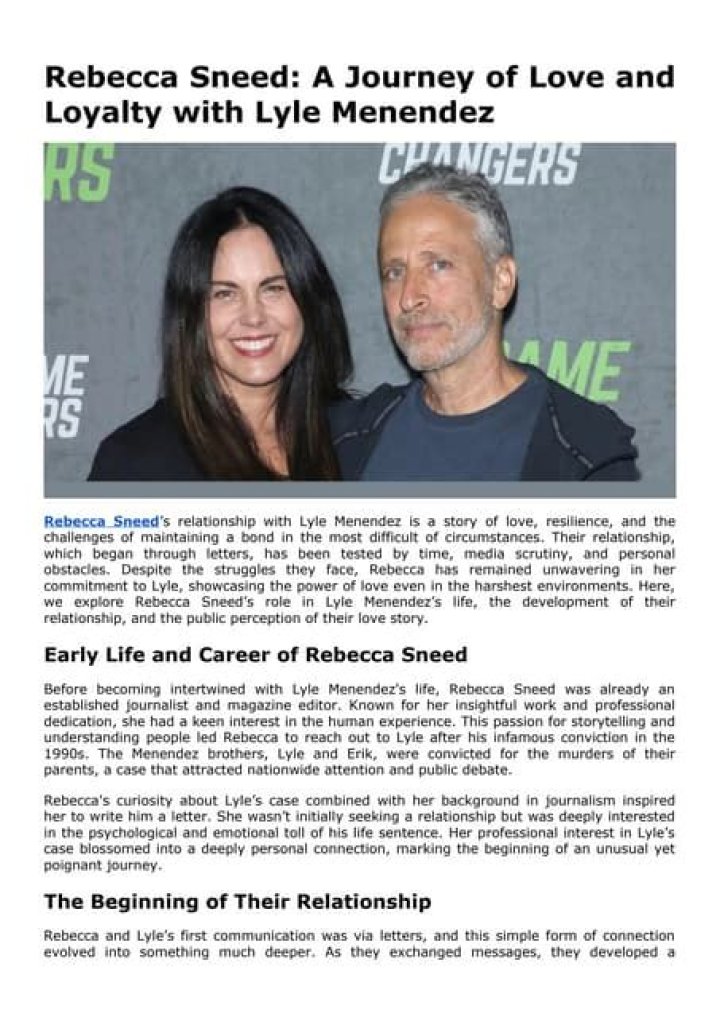
Susan Africa is a prominent South African anti-apartheid activist, politician, and author.
She played a significant role in the struggle against apartheid in South Africa and has been an advocate for human rights and social justice throughout her career. Africa was a member of the African National Congress (ANC) and served in the South African Parliament from 1994 to 2004. She is the author of several books, including "Thembi" and "To Be Free." Africa continues to be an active voice for social justice and equality in South Africa and beyond.
Main article topics:
- Susan Africa's role in the anti-apartheid movement
- Her work as a politician and activist
- Her literary contributions
- Her continued advocacy for social justice
Susan Africa
Susan Africa is a prominent South African anti-apartheid activist, politician, and author. Her work has been focused on fighting for human rights and social justice, both in South Africa and beyond. Here are 9 key aspects of her life and work:
- Activist: Fought against apartheid in South Africa
- Politician: Served in the South African Parliament
- Author: Wrote books on her experiences
- Leader: Held leadership positions in the ANC
- Speaker: Gave speeches and lectures on social justice
- Educator: Taught at the University of Fort Hare
- Mentor: Guided and inspired young activists
- Role model: For those fighting for human rights
- Legend: Her legacy continues to inspire
Susan Africa's work has made a significant impact on the fight for human rights and social justice in South Africa and beyond. She is a true pioneer and an inspiration to all who are fighting for a better world.
Activist
Susan Africa was a prominent anti-apartheid activist in South Africa. She joined the African National Congress (ANC) in 1959 and quickly became a leader in the movement. She was arrested and imprisoned several times for her activism, but she never gave up fighting for a free and just South Africa.
Africa's activism was instrumental in the fight against apartheid. She helped to organize protests, boycotts, and other forms of resistance. She also spoke out against the apartheid government in international forums, helping to raise awareness of the plight of black South Africans.
Africa's work made a significant contribution to the eventual end of apartheid in South Africa. She is an inspiration to all who fight for justice and equality.
Politician
Susan Africa's role as a politician was a natural extension of her activism. She was elected to the South African Parliament in 1994, and served for 10 years. During her time in Parliament, she was a vocal advocate for human rights, social justice, and economic equality. She also worked to promote reconciliation between black and white South Africans.
Africa's work in Parliament was instrumental in shaping South Africa's post-apartheid democracy. She helped to draft the country's new constitution, which enshrined the principles of equality, non-racialism, and the rule of law. She also played a key role in the development of policies to address the legacy of apartheid, such as affirmative action and land reform.
Africa's work as a politician was a testament to her lifelong commitment to fighting for a better South Africa. She was a tireless advocate for the poor and marginalized, and she never stopped working to create a more just and equitable society.
Author
Susan Africa is a prolific author who has written extensively about her experiences as an anti-apartheid activist and politician. Her books offer a unique and valuable perspective on the struggle against apartheid and the transition to democracy in South Africa.
- Thembi is a novel that tells the story of a young woman's coming of age during the apartheid era. The novel explores the themes of race, identity, and resistance.
- To Be Free is a memoir that chronicles Africa's own experiences as an anti-apartheid activist. The memoir provides a firsthand account of the struggle against apartheid and the sacrifices that were made by those who fought for freedom.
- Called to Serve is a collection of essays that reflect on Africa's experiences as a politician. The essays offer insights into the challenges and opportunities of building a new democracy in South Africa.
- Beyond the Barricades is a collection of speeches and writings that span Africa's career as an activist and politician. The collection provides a comprehensive overview of her and her commitment to social justice.
Africa's books have made a significant contribution to the historical record of the anti-apartheid movement and the transition to democracy in South Africa. Her work is essential reading for anyone who wants to understand the struggle for freedom and equality in South Africa.
Leader
Susan Africa's leadership within the African National Congress (ANC) was a defining aspect of her activism and political career. She joined the ANC in 1959 and quickly rose through the ranks, holding various leadership positions, including serving on the ANC's National Executive Committee.
- Organizing and Mobilizing
As a leader in the ANC, Africa was responsible for organizing and mobilizing communities to fight against apartheid. She played a key role in organizing protests, boycotts, and other forms of resistance. - Policy Development
Africa was also involved in developing the ANC's policies and strategies. She helped to shape the ANC's vision for a post-apartheid South Africa, based on the principles of democracy, equality, and social justice. - International Advocacy
Africa represented the ANC on the international stage, speaking out against apartheid and calling for support for the struggle for freedom in South Africa. She played a key role in building international solidarity for the anti-apartheid movement. - Mentoring and Leadership Development
As a leader in the ANC, Africa mentored and inspired a new generation of activists and leaders. She played a key role in developing the ANC's Youth League and Women's League, and she provided guidance and support to many young activists who went on to become leaders in the anti-apartheid movement and in post-apartheid South Africa.
Susan Africa's leadership within the ANC was essential to the success of the anti-apartheid movement. She was a tireless advocate for freedom and justice, and her leadership helped to bring about a new era of democracy and equality in South Africa.
Speaker
Susan Africa was a powerful speaker and lecturer who used her voice to advocate for social justice. She spoke out against apartheid in South Africa, and she called for an end to racism and discrimination around the world. Africa's speeches and lectures were often delivered at universities, churches, and community centers. She also spoke at international conferences and events.
Africa's speeches and lectures were always well-researched and informative. She used her knowledge of history, politics, and economics to make a compelling case for social justice. Africa was also a gifted storyteller, and she often used her personal experiences to illustrate the impact of racism and discrimination.
Africa's speeches and lectures had a profound impact on her audiences. She inspired people to get involved in the fight for social justice, and she helped to raise awareness of the plight of the oppressed. Africa's legacy as a speaker and lecturer continues to inspire people around the world.Educator
Susan Africa's role as an educator at the University of Fort Hare was a natural extension of her commitment to social justice. She taught political science and history, and her classes were known for their rigor and their focus on the experiences of marginalized communities. Africa used her teaching to inspire her students to think critically about the world around them and to work for a more just and equitable society.
- Preparing the Next Generation of Leaders: Africa's teaching at Fort Hare helped to prepare a new generation of leaders who were committed to social justice. Her students went on to become activists, politicians, and community leaders, and they have continued to work for a better South Africa.
- Challenging the Status Quo: Africa's teaching was often challenging, both for herself and for her students. She pushed her students to think critically about the status quo and to question the assumptions that underpinned the apartheid system. Africa also challenged her students to think about their own role in the struggle for social justice.
- Creating a Community of Scholars: Africa's classroom was more than just a place of learning; it was also a community of scholars. Africa encouraged her students to share their ideas and experiences, and she created a space where they could learn from each other. This community of scholars was essential to Africa's teaching, and it helped to create a new generation of activists and intellectuals who were committed to social justice.
- Inspiring Social Change: Africa's teaching had a profound impact on her students. She inspired them to think critically about the world around them and to work for a more just and equitable society. Africa's legacy as an educator continues to inspire students at Fort Hare and around the world.
Susan Africa's work as an educator was an important part of her lifelong commitment to social justice. She used her teaching to inspire and empower a new generation of leaders, and her legacy continues to inspire students and activists around the world.
Mentor
Susan Africa's role as a mentor to young activists was a vital part of her lifelong commitment to social justice. She believed that the youth of South Africa were the future of the country, and she dedicated herself to helping them develop the skills and knowledge they needed to fight for a better future.
- Nurturing Young Leaders
Africa played a key role in nurturing the next generation of anti-apartheid activists. She mentored young people who went on to become leaders in the struggle against apartheid and in post-apartheid South Africa.
- Sharing Knowledge and Experience
Africa shared her knowledge and experience with young activists, teaching them about the history of the anti-apartheid movement and the strategies and tactics that had been successful in fighting apartheid.
- Promoting Education and Critical Thinking
Africa encouraged young activists to pursue their education and to develop their critical thinking skills. She believed that education was essential for empowering young people to fight for social justice.
- Fostering a Sense of Community
Africa created a sense of community among young activists, bringing them together from different backgrounds and experiences. She helped to create a network of young people who were committed to fighting for a better future for South Africa.
Susan Africa's mentorship of young activists was a powerful force for change in South Africa. She helped to shape a new generation of leaders who were committed to fighting for justice and equality.
Role model
Susan Africa is a role model for those fighting for human rights because of her lifelong commitment to fighting for justice and equality. She has been an inspiration to activists and leaders around the world, and her work has made a significant impact on the fight for human rights in South Africa and beyond.
One of the most important aspects of Africa's role as a role model is her unwavering commitment to non-violence. She has always believed that violence is not the answer, and she has consistently advocated for peaceful resistance to oppression. This commitment to non-violence has been a powerful force for change in South Africa, and it has helped to inspire people around the world to fight for their rights without resorting to violence.
Africa's work has also been important in promoting reconciliation and healing in South Africa. She has always believed that it is important to forgive those who have wronged you, and she has worked tirelessly to promote reconciliation between black and white South Africans. This work has been essential to the healing process in South Africa, and it has helped to create a more just and equitable society.
Susan Africa is a true role model for those fighting for human rights. Her commitment to non-violence, reconciliation, and healing has made a significant impact on the world, and she continues to inspire people around the world to fight for justice and equality.
Legend
Susan Africa's legacy as a fighter for human rights and social justice continues to inspire people around the world. Her unwavering commitment to non-violence, reconciliation, and healing has made a significant impact on South Africa and beyond.
- Activism and Leadership: Susan Africa's activism and leadership in the anti-apartheid movement serves as an inspiration to those fighting for social justice. Her ability to mobilize communities and advocate for change demonstrates the power of individuals to make a difference.
- Non-Violence and Reconciliation: Africa's commitment to non-violence and reconciliation has been a powerful force for change in South Africa. Her belief in the power of forgiveness and her work to promote reconciliation between black and white South Africans has contributed to the healing process and the creation of a more just and equitable society.
- Mentorship and Education: Africa's role as a mentor and educator has been essential in shaping a new generation of leaders committed to social justice. Her dedication to nurturing young activists and promoting education has empowered countless individuals to fight for a better future.
- Global Impact: Africa's work has had a global impact, inspiring activists and leaders around the world. Her story and her unwavering commitment to human rights have resonated with people from all walks of life, demonstrating the universality of the struggle for justice and equality.
Susan Africa's legacy is one of hope, courage, and determination. Her work has made a significant impact on the world, and she continues to inspire people to fight for justice and equality.
FAQs on Susan Africa
This section presents frequently asked questions (FAQs) about Susan Africa, a prominent South African anti-apartheid activist, politician, and author, to provide concise and informative answers.
Question 1: Who was Susan Africa and what was her significance?
Answer: Susan Africa was a leading figure in the anti-apartheid movement in South Africa. She dedicated her life to fighting for human rights and social justice. As an activist, politician, and author, she played a pivotal role in shaping South Africa's transition to democracy.
Question 2: What were Susan Africa's key contributions to the anti-apartheid struggle?
Answer: Africa actively participated in organizing protests, boycotts, and other forms of resistance against the apartheid regime. She also used her platform as a politician to advocate for an end to apartheid and promote reconciliation between black and white South Africans.
Question 3: How did Susan Africa's commitment to non-violence influence her activism?
Answer: Africa strongly believed in the power of non-violent resistance. She consistently advocated for peaceful means to fight oppression and injustice. Her approach played a crucial role in shaping the character of the anti-apartheid movement.
Question 4: What was Susan Africa's role in post-apartheid South Africa?
Answer: Africa continued to be actively involved in promoting social justice and reconciliation after the end of apartheid. She served as a member of the South African Parliament and worked on issues related to education, housing, and human rights.
Question 5: How is Susan Africa's legacy honored and remembered?
Answer: Africa's legacy remains a source of inspiration for activists and social justice advocates worldwide. Her work has been recognized through awards, documentaries, and academic research. Her story continues to be shared to educate and empower future generations.
Question 6: What can we learn from Susan Africa's life and activism?
Answer: Susan Africa's life and work teach us the importance of courage, determination, and unwavering commitment to fighting for what is right. Her legacy reminds us of the power of non-violence, reconciliation, and the pursuit of a more just and equitable society.
Summary:
- Susan Africa's dedication to the anti-apartheid movement was marked by her activism, political involvement, and literary contributions.
- Her unwavering commitment to non-violence shaped her resistance strategies and influenced the character of the anti-apartheid struggle.
- Africa's legacy continues to inspire social justice advocates, highlighting the enduring power of her message and the importance of her work.
Transition to the next article section:
Susan Africa's life and activism provide valuable lessons on the pursuit of justice, equality, and reconciliation. Her legacy serves as a reminder of the transformative power of individuals and the importance of collective action in creating a more just and equitable world.
Tips by Susan Africa
Susan Africa, a prominent South African anti-apartheid activist, politician, and author, dedicated her life to fighting for human rights and social justice. Her unwavering commitment to non-violence, reconciliation, and empowerment serves as a source of inspiration and guidance for those seeking to make a positive impact on the world.
Tip 1: Embrace Non-Violent Resistance
Africa believed that non-violence is the most powerful weapon in the fight for justice. She advocated for peaceful protests, boycotts, and other forms of non-violent resistance to dismantle the apartheid system.
Tip 2: Promote Reconciliation and Healing
Africa recognized the importance of reconciliation and healing after the end of apartheid. She encouraged forgiveness, dialogue, and the building of bridges between communities to foster a more just and equitable society.
Tip 3: Empower Marginalized Communities
Africa dedicated her life to empowering marginalized communities. She fought for equal rights, access to education and healthcare, and economic opportunities for all South Africans.
Tip 4: Nurture the Next Generation
Africa believed in the power of the youth. She mentored and supported young activists, providing them with the tools and knowledge to continue the fight for social justice.
Tip 5: Use Your Voice and Platform
Africa used her voice and platform as an activist, politician, and author to speak out against injustice and advocate for change. She encouraged others to use their voices and platforms to amplify marginalized voices and fight for a more just world.
Tip 6: Stay Committed and Persistent
Africa faced numerous challenges and setbacks throughout her life, but she never gave up. She emphasized the importance of staying committed to the cause of social justice and persisting in the face of adversity.
Tip 7: Seek Inspiration from Others
Africa drew inspiration from other leaders and activists who had dedicated their lives to fighting for justice. She encouraged others to seek inspiration from role models who demonstrate courage, determination, and a commitment to making a difference.
Tip 8: Believe in the Power of Collective Action
Africa understood that social change requires collective action. She encouraged people to join forces, collaborate, and work together towards a common goal of creating a more just and equitable society.
Summary:
- Embrace non-violent resistance as a powerful tool for change.
- Promote reconciliation and healing to foster unity and social cohesion.
- Empower marginalized communities to create a more just and equitable society.
- Nurture the next generation of activists to ensure the continuation of the fight for social justice.
Conclusion:
Susan Africa's life and work provide invaluable lessons for those seeking to make a positive impact on the world. Her commitment to non-violence, reconciliation, and empowerment serves as a guiding light for all who believe in the power of collective action to create a more just and equitable future.
Conclusion
Susan Africa's unwavering dedication to the fight for human rights and social justice serves as a timeless inspiration. Her commitment to non-violence, reconciliation, and empowerment provides valuable lessons for navigating the challenges and complexities of our world.
Africa's life and work remind us that change is possible through collective action. By embracing non-violent resistance, promoting dialogue and understanding, and empowering marginalized communities, we can work towards a more just and equitable future for all. Her legacy continues to inspire new generations of activists and change-makers to carry the torch of social justice.
Unveiling The Secrets Of Success: Christopher De La Cruz
Unleash The Power Of Scala In Your Bakery: Discoveries And Innovations
Unlocking Economic Truths With Mikael Fitoussi