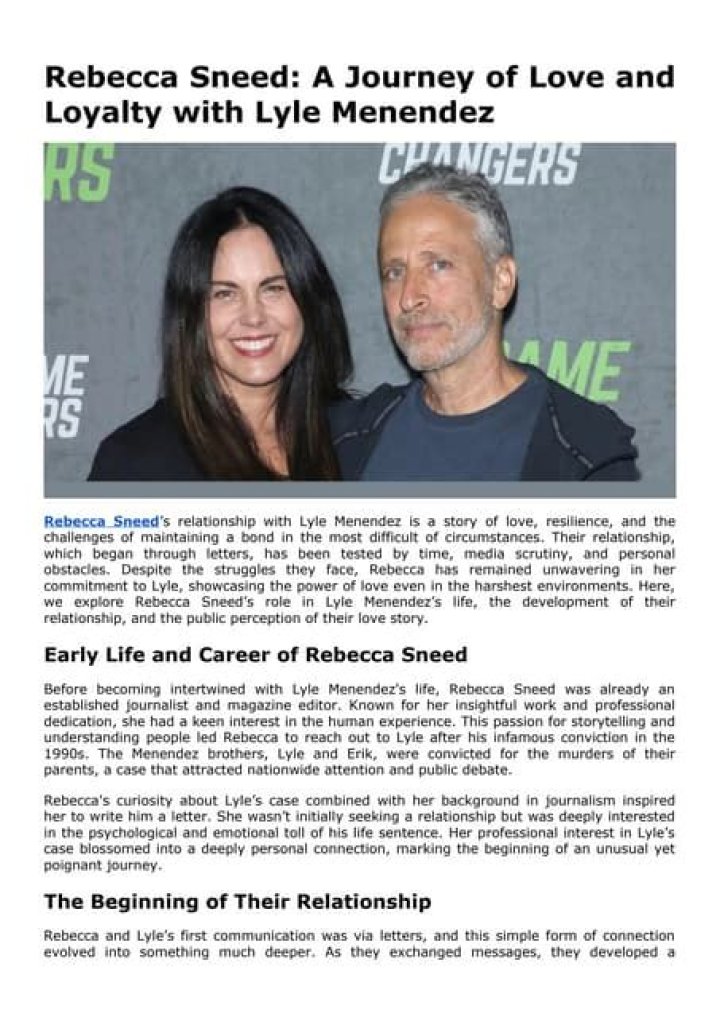
Arabelle Raphael is a curator, writer, and educator specializing in contemporary art. She is currently the Director of the Institute of Contemporary Art, Los Angeles (ICA LA).
Raphael has held previous positions as the Chief Curator at the Hammer Museum in Los Angeles and the Curator of the Coleccin Patricia Phelps de Cisneros (CPPC) in New York. She has also worked as an independent curator, organizing exhibitions at institutions such as the Museum of Modern Art (MoMA) in New York and the Tate Modern in London.
Raphael's work has been praised for its rigor and scholarship, as well as its commitment to social and political issues. She has written extensively on contemporary art, and her essays have been published in numerous journals and anthologies. She is also a frequent lecturer and speaker on contemporary art.
Arabelle Raphael
Arabelle Raphael, a prominent curator, writer, and educator, has made significant contributions to the contemporary art world. Her expertise encompasses various aspects, including:
- Curating: Renowned for her thought-provoking and socially engaged exhibitions.
- Writing: Prolific author of essays and articles on contemporary art, exploring its critical and historical contexts.
- Education: Dedicated to fostering knowledge and appreciation of contemporary art through lectures, workshops, and public programs.
- Research: Meticulous and scholarly approach to understanding the complexities of contemporary art.
- Collaboration: Fosters partnerships with artists, institutions, and communities to create dynamic and inclusive exhibitions.
- Advocacy: Champion of underrepresented voices in the art world, promoting diversity and equity.
- Innovation: Continuously seeks new and innovative ways to engage audiences with contemporary art.
- Leadership: As Director of the Institute of Contemporary Art, Los Angeles, she leads a team dedicated to presenting groundbreaking exhibitions and programs.
These aspects highlight Arabelle Raphael's multifaceted contributions to the contemporary art world. Her curatorial vision, scholarly writing, and commitment to education and advocacy have shaped the landscape of contemporary art, fostering a deeper understanding and appreciation of its complexities and social significance.
Curating
Arabelle Raphael's curatorial practice is distinguished by its commitment to presenting thought-provoking and socially engaged exhibitions that challenge conventional narratives and explore pressing issues of our time.
- Contextualizing the Social and Political: Raphael's exhibitions often delve into the social and political contexts surrounding artworks, examining how art can reflect and shape societal issues. For instance, her exhibition "Radical Women: Latin American Art, 19601985" highlighted the contributions of female artists during a period of political upheaval and social change.
- Uncovering Hidden Histories: Raphael's curatorial approach gives visibility to underrepresented voices and narratives in art history. Her exhibition "No Man's Land: Women Artists from the Arab World" shed light on the significant contributions of Arab women artists, challenging the traditional male-dominated narratives of art history.
- Collaborative and Participatory: Raphael's exhibitions frequently involve collaborations with artists, communities, and other institutions. This participatory approach fosters dialogue, encourages diverse perspectives, and creates a sense of shared ownership in the artistic experience.
- Educational and Accessible: Raphael believes in the transformative power of art and strives to make her exhibitions accessible to a wide range of audiences. She incorporates educational materials, public programs, and community outreach initiatives to engage visitors and foster a deeper understanding of contemporary art.
Through her thought-provoking and socially engaged curatorial approach, Arabelle Raphael challenges traditional art historical narratives, promotes inclusivity, and inspires critical dialogue about the role of art in society.
Writing
Arabelle Raphael's written contributions to contemporary art scholarship are extensive and insightful. Her essays and articles explore the critical and historical contexts surrounding contemporary art, providing valuable perspectives on the field's complexities and evolution.
- Art Criticism and Interpretation: Raphael's writing often engages in critical analysis of contemporary artworks, providing nuanced interpretations and exploring their significance within the broader art historical landscape. Her essays offer valuable insights into the intentions, techniques, and meanings embedded in contemporary art.
- Historical Research and Contextualization: Raphael's scholarship delves into the historical contexts that have shaped contemporary art. She examines the influence of social, political, and cultural factors on artistic movements and individual artists, providing a deeper understanding of the evolution and diversity of contemporary art.
- Theoretical Frameworks and Methodologies: Raphael's writing also explores theoretical frameworks and methodologies used in contemporary art analysis. She examines the strengths and limitations of different approaches, contributing to the ongoing discourse on how we understand and interpret contemporary art.
- Interdisciplinary Perspectives: Raphael's scholarship often draws connections between contemporary art and other disciplines, such as history, sociology, and politics. This interdisciplinary approach provides a comprehensive understanding of the ways in which contemporary art engages with and reflects the broader world.
Through her prolific writing, Arabelle Raphael establishes herself as a leading voice in contemporary art scholarship. Her essays and articles illuminate the critical, historical, and theoretical dimensions of the field, contributing to a deeper understanding and appreciation of contemporary art's significance and complexity.
Education
Arabelle Raphael's commitment to education is evident in her dedication to fostering knowledge and appreciation of contemporary art through a variety of educational initiatives.
- Lectures and Public Speaking: Raphael is a sought-after speaker who delivers lectures and presentations on contemporary art at conferences, universities, and cultural institutions around the world. Her lectures are known for their clarity, insight, and ability to engage audiences with complex ideas about contemporary art.
- Workshops and Masterclasses: Raphael conducts workshops and masterclasses for artists, educators, and students. These workshops provide practical guidance on contemporary art theory, curatorial practices, and artistic techniques. Participants gain valuable insights and skills that enhance their understanding and practice of contemporary art.
- Community Outreach Programs: Raphael believes in making art accessible to everyone. She develops and implements community outreach programs that bring contemporary art to underserved communities. These programs include art exhibitions, workshops, and educational resources that aim to inspire and engage diverse audiences.
- Publications and Educational Materials: Raphael's commitment to education extends to her written work. She authors exhibition catalogues, scholarly articles, and educational materials that provide in-depth analysis of contemporary art and make it accessible to a wider audience.
Through her dedication to education, Arabelle Raphael plays a vital role in fostering a deeper understanding and appreciation of contemporary art. Her educational initiatives empower artists, engage communities, and contribute to the growth and vitality of the contemporary art world.
Research
Arabelle Raphael's research forms the bedrock of her curatorial practice and scholarly contributions. Her meticulous and scholarly approach enables her to delve deeply into the complexities of contemporary art, uncovering its historical, social, and cultural contexts.
Raphael's research often begins with extensive archival work, examining primary sources and conducting interviews with artists and experts. This thorough research process allows her to develop a comprehensive understanding of the artworks she presents and the broader artistic and cultural landscape in which they were created.
For instance, in her exhibition "Radical Women: Latin American Art, 1960-1985," Raphael's research uncovered the significant contributions of female artists during a period of political upheaval and social change in Latin America. This exhibition challenged
Raphael's commitment to research extends beyond her own curatorial projects. She actively supports and mentors emerging scholars and artists, encouraging them to engage in rigorous research methodologies. Through her teaching and collaborations, she fosters a new generation of art professionals equipped with the critical thinking and research skills necessary to navigate the complexities of contemporary art.
In conclusion, Arabelle Raphael's meticulous and scholarly approach to research is essential to her work as a curator, writer, and educator. Her research-driven approach enables her to present thought-provoking exhibitions, contribute to contemporary art scholarship, and mentor emerging voices in the field.
Collaboration
Arabelle Raphael's collaborative approach is integral to her curatorial vision and has significantly contributed to the success and impact of her exhibitions. By fostering partnerships with artists, institutions, and communities, Raphael creates dynamic and inclusive exhibitions that resonate with diverse audiences and challenge traditional art world structures.
One notable example of Raphael's collaborative practice is her work on the exhibition "No Man's Land: Women Artists from the Arab World" at the Guggenheim Museum in Abu Dhabi. This exhibition, co-curated with Salwa Mikdadi, brought together over 100 artworks by female artists from the Arab world, many of whom had never been exhibited internationally before. The exhibition was the result of extensive research and collaboration with artists, scholars, and institutions across the region, and it shed light on the significant contributions of Arab women artists to contemporary art history.
Raphael's commitment to collaboration extends beyond individual exhibitions. She has also initiated long-term partnerships with institutions such as the Hammer Museum in Los Angeles and the Institute of Contemporary Art, Los Angeles (ICA LA), where she currently serves as Director. These partnerships have enabled her to develop innovative programs and initiatives that support emerging artists, engage diverse communities, and make contemporary art more accessible to a wider public.
In conclusion, Arabelle Raphael's collaborative approach is a defining aspect of her curatorial practice. Through partnerships with artists, institutions, and communities, she creates dynamic and inclusive exhibitions that challenge traditional narratives, promote underrepresented voices, and foster a deeper understanding of contemporary art.
Advocacy
Arabelle Raphael is a leading advocate for underrepresented voices in the art world, actively promoting diversity and equity through her curatorial practice, writing, and institutional leadership.
- Platforming Marginalized Artists: Raphael's exhibitions consistently feature the work of artists from underrepresented backgrounds, including women, artists of color, and LGBTQ+ artists. By providing a platform for these artists, she challenges the traditional canon of art history and brings attention to diverse perspectives and experiences.
- Challenging Institutional Bias: Raphael actively works to challenge institutional biases within the art world. She has initiated programs and policies that promote equity and inclusion within museums and galleries, ensuring that diverse voices are represented at all levels of the art ecosystem.
- Supporting Community Engagement: Raphael believes in the power of art to foster social change and community engagement. She develops programs and initiatives that connect artists with local communities, creating opportunities for dialogue, collaboration, and mutual learning.
- Mentoring and Education: Raphael is committed to mentoring and supporting emerging artists from underrepresented backgrounds. She provides guidance, resources, and opportunities for these artists to develop their careers and make a meaningful impact on the art world.
Arabelle Raphael's advocacy for diversity and equity has had a transformative impact on the art world. Her work has helped to create a more inclusive and representative art landscape, where artists from all backgrounds have the opportunity to share their voices and contribute to the cultural landscape.
Innovation
Arabelle Raphael's commitment to innovation is evident in her curatorial approach, which continuously seeks new and engaging ways to connect audiences with contemporary art. Her innovative strategies have transformed the traditional museum experience, making contemporary art more accessible, interactive, and relevant to diverse audiences.
- Digital Engagement: Raphael leverages digital technologies to enhance the museum experience. She has developed interactive mobile apps, virtual reality tours, and online platforms that allow visitors to explore exhibitions and engage with artworks in new and immersive ways.
- Community-Oriented Programming: Raphael believes in the power of art to foster community engagement. She organizes artist workshops, public lectures, and community-based projects that connect artists with local residents and create a sense of shared ownership over the art experience.
- Cross-Disciplinary Collaborations: Raphael collaborates with artists, musicians, performers, and scholars from other disciplines to create innovative and interdisciplinary exhibitions and events. These collaborations bring fresh perspectives to contemporary art and attract a wider audience.
- Experimental Exhibition Formats: Raphael is not afraid to experiment with unconventional exhibition formats. She has curated exhibitions in non-traditional spaces, such as warehouses and public parks, to challenge traditional notions of display and create more dynamic and engaging experiences.
Arabelle Raphael's innovative approach to audience engagement has revolutionized the way we experience and interact with contemporary art. Her commitment to accessibility, inclusivity, and experimentation has made contemporary art more relevant and accessible to a wider public, fostering a deeper understanding and appreciation of its transformative power.
Leadership
Arabelle Raphael's leadership at the Institute of Contemporary Art, Los Angeles (ICA LA) showcases her commitment to innovation, collaboration, and community engagement in contemporary art.
- Visionary Programming: Under Raphael's direction, ICA LA has become a platform for groundbreaking exhibitions that challenge traditional narratives and push the boundaries of contemporary art. Her curatorial vision has brought international recognition to the institution and attracted a diverse audience.
- Collaborative Partnerships: Raphael fosters collaboration with artists, curators, and cultural organizations to create dynamic and interdisciplinary programs. These partnerships expand the reach of ICA LA and provide opportunities for cross-cultural exchange and artistic experimentation.
- Community Engagement: Raphael believes in the transformative power of art and its ability to connect with diverse communities. She has initiated programs that engage local residents, youth, and underrepresented groups, fostering a sense of ownership and inclusivity.
- Institutional Growth: Raphael's leadership has led to significant growth for ICA LA. She has overseen the expansion of the museum's facilities, increased its endowment, and established new educational and public outreach initiatives, solidifying its position as a leading contemporary art institution.
Arabelle Raphael's leadership at ICA LA exemplifies her dedication to presenting innovative and thought-provoking contemporary art that challenges, inspires, and engages diverse audiences. Her vision and commitment have transformed ICA LA into a vibrant hub for contemporary art and a catalyst for cultural exchange.
FAQs about Arabelle Raphael
This section addresses frequently asked questions about Arabelle Raphael, her work, and her contributions to the contemporary art world.
Question 1: What is Arabelle Raphael's curatorial approach known for?
Answer: Arabelle Raphael's curatorial approach is characterized by its focus on presenting thought-provoking and socially engaged exhibitions that challenge conventional narratives and explore pressing issues of our time.
Question 2: How does Raphael's research contribute to her curatorial practice?
Answer: Raphael's meticulous research forms the foundation of her curatorial projects, enabling her to develop a comprehensive understanding of the artworks she presents and the broader artistic and cultural landscape in which they were created.
Question 3: What is Raphael's commitment to diversity and inclusion in the art world?
Answer: Raphael is a strong advocate for underrepresented voices in the art world, actively promoting diversity and equity through her exhibitions, writing, and institutional leadership.
Question 4: How does Raphael foster collaboration in her work?
Answer: Raphael's collaborative approach involves partnerships with artists, institutions, and communities, enabling her to create dynamic and inclusive exhibitions that resonate with diverse audiences.
Question 5: What is Raphael's vision for the Institute of Contemporary Art, Los Angeles (ICA LA)?
Answer: Under Raphael's leadership, ICA LA has become a platform for groundbreaking exhibitions and programs that challenge traditional narratives and push the boundaries of contemporary art.
Question 6: How does Raphael engage with the community through her work?
Answer: Raphael believes in the power of art to connect with diverse communities. She has initiated programs that engage local residents, youth, and underrepresented groups, fostering a sense of ownership and inclusivity.
In summary, Arabelle Raphael's work is characterized by its commitment to innovation, collaboration, and community engagement. She consistently challenges traditional narratives, promotes diversity and inclusion, and fosters a deeper understanding and appreciation of contemporary art.
Transition to the next article section:
Tips by Arabelle Raphael
Arabelle Raphael, the renowned curator, writer, and educator, has made significant contributions to the contemporary art world. Her expertise and insights offer valuable guidance for artists, curators, and art enthusiasts alike.
Tip 1: Embrace Research and Context: Conduct thorough research to develop a deep understanding of the artworks, artists, and cultural contexts you engage with. This knowledge will enrich your curatorial vision and enhance the audience's appreciation.
Tip 2: Challenge Conventions: Don't be afraid to push boundaries and challenge traditional narratives. Curate exhibitions that provoke thought, spark dialogue, and offer fresh perspectives on art.
Tip 3: Foster Inclusivity: Make conscious efforts to represent diverse voices and perspectives in your exhibitions. Promote equity and inclusion by platforming underrepresented artists and engaging with marginalized communities.
Tip 4: Cultivate Collaboration: Collaborate with artists, institutions, and communities to create dynamic and impactful exhibitions. Cross-disciplinary partnerships can enrich your curatorial approach and engage a wider audience.
Tip 5: Seek Innovation: Embrace new technologies and explore innovative ways to engage audiences with contemporary art. Experiment with digital platforms, interactive installations, and unconventional exhibition formats to create immersive and memorable experiences.
By incorporating these tips into your practice, you can enhance your understanding of contemporary art, challenge traditional norms, promote inclusivity, foster collaboration, and cultivate innovative approaches to engaging with art and audiences.
Arabelle Raphael's insights provide a valuable roadmap for navigating the complexities of contemporary art and creating meaningful connections with diverse audiences through your curatorial endeavors.
Conclusion
Arabelle Raphael's contributions to the contemporary art world are profound and multifaceted. Her curatorial practice challenges conventions, promotes diversity, and fosters collaboration. As a writer, she provides insightful perspectives on contemporary art, enriching our understanding of its critical and historical contexts. Through her commitment to education and research, she cultivates a deeper appreciation of art and empowers emerging voices.
Raphael's leadership at the Institute of Contemporary Art, Los Angeles, exemplifies her vision for a dynamic and inclusive art institution. Her innovative approach to audience engagement makes contemporary art accessible to diverse communities, fostering a sense of ownership and connection. Her dedication to supporting underrepresented artists and promoting equity has created a more representative and inclusive art landscape.
Arabelle Raphael's work stands as a testament to the transformative power of contemporary art. Her commitment to innovation, collaboration, and community engagement serves as an inspiration to all who seek to engage with and contribute to the vibrancy of the art world. As contemporary art continues to evolve and shape our cultural landscape, Arabelle Raphael's legacy will undoubtedly continue to inspire and challenge future generations.
Uncovering The Secrets: Giorgia Whigham's Relationships Revealed
Unveil The Enchanting World Of Sofia Roses: A Journey Of Beauty And Fragrance
Unlock The Untold Story Of Kelly Piquet's Child: Discoveries And Fascinating Insights
Arabelle Raphael Fame Registry
An Artist and Sex Worker Taking Charge of Her Business KQED
Arabelle Raphael Slender Female Entertainer in San Francisco Slixa