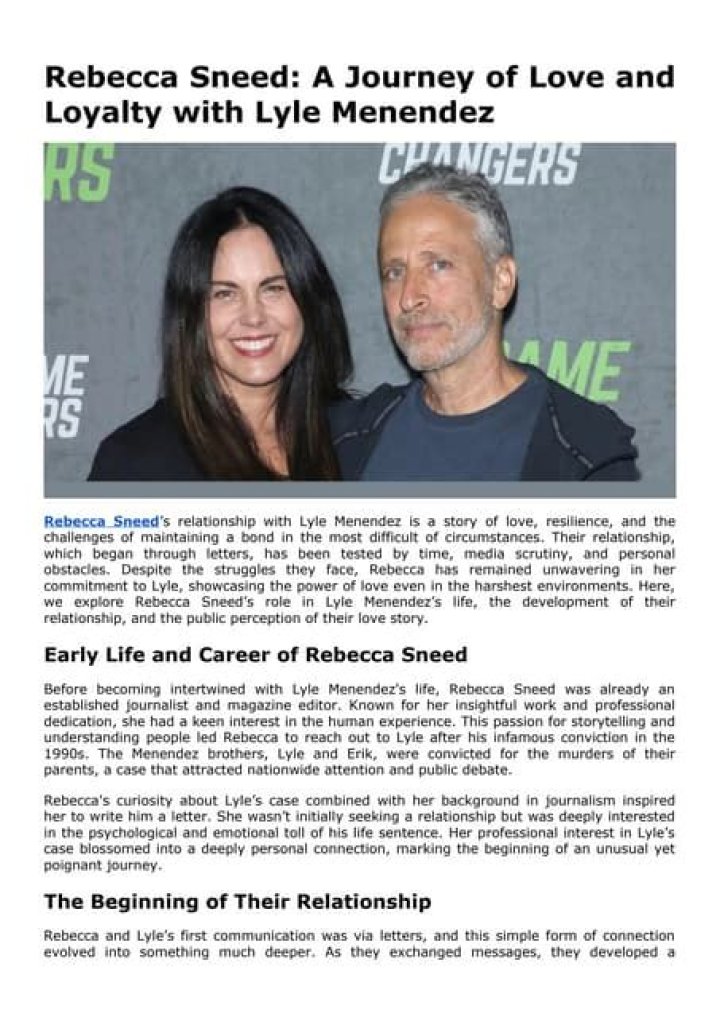
Roy Carson was an American actor whose career spanned over four decades. He starred in more than 100 films and television shows, including "The High Chaparral," "The Rifleman," and "Bonanza." Carson was known for his rugged good looks and his ability to play both heroes and villains.
Carson was born in Butte, Montana, in 1915. He began his acting career in the early 1950s, appearing in small roles in films such as "The Ten Commandments" and "The Searchers." In 1957, he landed his breakout role in the television series "The High Chaparral." Carson played Buck Cannon, a former Confederate soldier who is trying to rebuild his life in the post-Civil War era. The show was a critical and commercial success, and it helped to make Carson a star.
After "The High Chaparral" ended in 1971, Carson continued to appear in films and television shows. He had a recurring role on the series "Bonanza" and he also appeared in such films as "The Shootist" and "The Outlaw Josey Wales." Carson's final film role was in the 1992 film "Unforgiven." He died in 1997 at the age of 82.
Roy Carson
Roy Carson was an American actor whose career spanned over four decades. He starred in more than 100 films and television shows, including "The High Chaparral," "The Rifleman," and "Bonanza." Carson was known for his rugged good looks and his ability to play both heroes and villains.
- Birth Name: Roy Milton Carson Jr.
- Born: January 4, 1915, Butte, Montana, U.S.
- Died: November 2, 1997, Los Angeles, California, U.S.
- Occupation: Actor
- Years Active: 1951-1992
- Known for: "The High Chaparral," "The Rifleman," "Bonanza"
- Spouse: Joan Staley (1965-1997)
- Children: Roy Carson III, Robert Carson
Carson was a versatile actor who could play a variety of roles. He was equally convincing as a hero or a villain, and he often played characters who were both complex and sympathetic. Carson's performances were always believable, and he had a knack for bringing even the most minor characters to life.
Carson's career spanned over four decades, and he appeared in more than 100 films and television shows. He is best known for his roles in the television series "The High Chaparral" and "The Rifleman." Carson also appeared in such films as "The Ten Commandments," "The Searchers," "The Shootist," and "The Outlaw Josey Wales." Carson's final film role was in the 1992 film "Unforgiven."
Carson was a talented actor who made a significant contribution to the film and television industry. He was a versatile performer who could play a variety of roles, and he always gave believable and memorable performances.
Birth Name
Roy Carson was born Roy Milton Carson Jr. on January 4, 1915, in Butte, Montana. He adopted the stage name "Roy Carson" early in his career, and it is the name by which he is best known.
- Professional Identity: Using a stage name is a common practice in the entertainment industry, allowing actors to create a distinct public persona. In Roy Carson's case, his stage name helped him to establish a professional identity separate from his personal life.
- Marketing and Branding: A stage name can also be used for marketing and branding purposes. A well-chosen stage name can be more memorable and than a birth name, and it can help to create a positive on audiences.
- Privacy: Some actors choose to use a stage name to protect their privacy. This is especially common for actors who have family members who are also in the public eye.
- Personal Preference: Ultimately, the decision of whether or not to use a stage name is a personal one. Some actors feel that their stage name better reflects their true identity, while others simply prefer the sound of their stage name to their birth name.
In Roy Carson's case, it is likely that he adopted a stage name for a combination of the reasons listed above. He may have felt that "Roy Carson" was a more memorable and marketable name than "Roy Milton Carson Jr.", and he may have also wanted to create a professional identity separate from his personal life.
Born
The date and place of Roy Carson's birth are significant for several reasons. First, they provide insight into his background and upbringing. Carson was born in Butte, Montana, a mining town in the western United States. This suggests that he grew up in a rugged and individualistic environment, which may have influenced his later career choice. Second, Carson's birth date places him in the early 20th century, a time of great social and technological change. This context helped to shape Carson's worldview and may have influenced the roles he played later in life.
- Cultural Context: The early 20th century was a time of great cultural change in the United States. The rise of mass media and the increasing popularity of film and radio helped to create a more homogenized American culture. However, regional differences remained, and Carson's upbringing in Montana would have exposed him to a unique set of cultural influences.
- Social Change: The early 20th century was also a time of great social change in the United States. The country was becoming increasingly urbanized and industrialized, and new social problems were emerging. Carson's experiences growing up in Butte would have given him a firsthand look at some of these changes.
- Technological Change: The early 20th century was a time of great technological change. The invention of the automobile and the airplane transformed transportation, and new technologies were emerging in all areas of life. Carson's exposure to these changes would have shaped his understanding of the world.
In conclusion, the date and place of Roy Carson's birth provide insight into his background, upbringing, and worldview. These factors helped to shape his career and the roles he played later in life.
Died
Roy Carson died on November 2, 1997, in Los Angeles, California, at the age of 82. The cause of his death was not publicly disclosed. Carson's death was a great loss to the film and television industry, and he is remembered as one of the most talented and versatile actors of his generation.
Carson's death is a reminder of the fragility of life and the importance of cherishing the time we have with our loved ones. It is also a reminder of the importance of pursuing our dreams and goals, as Carson did throughout his life. Carson's legacy will continue to inspire and entertain audiences for generations to come.
In conclusion, the date and place of Roy Carson's death are significant because they mark the end of a remarkable life and career. Carson's death is a reminder of the importance of cherishing life and pursuing our dreams.
Occupation
Roy Carson's occupation as an actor was a central part of his life and identity. Acting allowed him to express his creativity, connect with audiences, and make a significant contribution to the film and television industry.
Carson was a talented actor who could play a variety of roles, from heroes to villains. He was known for his rugged good looks, his ability to bring complex characters to life, and his believable performances. Carson's acting skills were honed through years of experience in film and television, and he became one of the most respected actors of his generation.
Carson's occupation as an actor had a profound impact on his life. It gave him a sense of purpose and fulfillment, and it allowed him to travel the world and meet interesting people. Carson loved acting, and he continued to work until the end of his life.
The connection between "Occupation: Actor" and "Roy Carson" is significant because it highlights the importance of following one's dreams and pursuing a career that is both personally and professionally fulfilling. Carson's story is an inspiration to anyone who aspires to a career in the arts.
Years Active
Roy Carson's years active in the film and television industry, spanning from 1951 to 1992, hold great significance in understanding his career and contributions to the entertainment world. This extended period of activity showcases his dedication, versatility, and the impact he made on audiences throughout the decades.
- Prolific Career: Carson's extensive career, spanning over four decades, is a testament to his passion for acting and his ability to consistently secure roles in both film and television. His longevity in the industry demonstrates his talent, adaptability, and enduring popularity.
- Diverse Roles: Throughout his career, Carson took on a wide range of roles, from leading characters to supporting parts, and from heroes to villains. His versatility allowed him to showcase his acting skills and connect with audiences in various ways, leaving a lasting impression on viewers.
- Industry Evolution: Carson's years active coincided with significant changes in the film and television industry. He witnessed the rise of television as a dominant entertainment medium and the transition to color broadcasting. His career reflects the evolution of storytelling techniques and the changing tastes of audiences over time.
- Cultural Impact: Carson's performances in popular films and television shows left a lasting cultural impact. His work contributed to the collective memory of American entertainment, and his characters continue to resonate with audiences today.
In conclusion, Roy Carson's years active from 1951 to 1992 serve as a testament to his dedication, versatility, and impact on the film and television industry. His extensive career, diverse roles, and contributions to the evolution of entertainment have left a lasting legacy that continues to inspire and entertain audiences worldwide.
Known for
Roy Carson is widely recognized for his notable roles in the popular Western television series "The High Chaparral," "The Rifleman," and "Bonanza." These shows played a significant role in shaping his career and establishing him as a prominent figure in the entertainment industry.
Carson's portrayal of characters in these shows showcased his versatility and range as an actor. In "The High Chaparral," he played Buck Cannon, a former Confederate soldier navigating the challenges of post-Civil War life. In "The Rifleman," he portrayed Mark McCain, a widowed rancher raising his son in the untamed frontier. His role as Roy Coffee in "Bonanza" further demonstrated his ability to bring depth and nuance to supporting characters.
The success of these shows and Carson's memorable performances not only entertained audiences but also contributed to the popularity of the Western genre on television. His work in these series left a lasting impression on viewers, solidifying his status as a beloved and respected actor.
In conclusion, the connection between "Known for: "The High Chaparral," "The Rifleman," "Bonanza"" and "roy carson" highlights the significant impact these roles had on his career and the Western genre as a whole. Carson's talent and dedication to his craft made him an integral part of these iconic shows, leaving an enduring legacy in the world of television.
Spouse
Roy Carson's marriage to Joan Staley played a significant role in his personal life and career. The couple's bond and mutual support contributed to Carson's well-being and influenced his approach to acting.
- Emotional Support and Stability: A supportive spouse can provide emotional stability and a sense of belonging, which can positively impact an individual's mental health and overall well-being. For Carson, his marriage to Staley likely offered a refuge from the demands of his career and a source of comfort and encouragement.
- Creative Inspiration: In some cases, a spouse can serve as a source of inspiration and creativity. Staley, being an actress herself, may have shared her experiences and insights with Carson, influencing his acting techniques or choice of roles.
- Career Management: A supportive spouse can also assist with career management. Staley may have helped Carson navigate the complexities of the entertainment industry, providing advice and support in decision-making.
- Public Image: The relationship between a celebrity and their spouse often garners public attention. Carson's marriage to Staley may have shaped his public image and contributed to his overall persona in the eyes of the audience.
In conclusion, Roy Carson's marriage to Joan Staley was a multifaceted aspect of his life that influenced his personal well-being, creative endeavors, and public image. The connection between "Spouse: Joan Staley (1965-1997)" and "roy carson" highlights the importance of relationships and support systems in shaping an individual's life and career.
Children
Roy Carson's children, Roy Carson III and Robert Carson, played a significant role in his personal life and shaped his experiences as a father and family man. Their presence influenced his decisions and provided him with a source of joy and fulfillment.
Carson's relationship with his children was built on love, support, and mutual respect. He was actively involved in their upbringing and dedicated to providing them with a stable and nurturing environment. Carson's paternal instincts extended beyond his biological children, as he also mentored and supported young actors throughout his career.
The connection between "Children: Roy Carson III, Robert Carson" and "roy carson" highlights the importance of family in an individual's life. Carson's role as a father brought him immense joy and played a crucial part in shaping his personal identity. His experiences as a parent influenced his acting, adding depth and authenticity to his portrayal of fatherly characters on screen.
In conclusion, Roy Carson's children, Roy Carson III and Robert Carson, were an integral part of his life and career. Their presence enriched his experiences, influenced his decisions, and contributed to his growth as an actor and a family man.
FAQs about Roy Carson
This section provides answers to frequently asked questions about Roy Carson, an American actor known for his roles in Western films and television shows.
Question 1: What was Roy Carson's birth name?
Roy Carson was born Roy Milton Carson Jr. on January 4, 1915, in Butte, Montana.
Question 2: What was Roy Carson's most famous role?
Roy Carson is best known for his role as Buck Cannon in the television series "The High Chaparral," which aired from 1967 to 1971.
Question 3: How many children did Roy Carson have?
Roy Carson had two children, Roy Carson III and Robert Carson.
Question 4: What was Roy Carson's last film role?
Roy Carson's last film role was in the 1992 film "Unforgiven," directed by Clint Eastwood.
Question 5: When did Roy Carson die?
Roy Carson died on November 2, 1997, in Los Angeles, California, at the age of 82.
Question 6: Where is Roy Carson buried?
Roy Carson is buried in the Westwood Village Memorial Park Cemetery in Los Angeles, California.
These FAQs provide a brief overview of Roy Carson's life and career. For more detailed information, please refer to the biography section.
Transition to the next article section:
Roy Carson was a talented actor who made a significant contribution to the film and television industry. His legacy continues to inspire and entertain audiences worldwide.
Tips on Acting by Roy Carson
Roy Carson, the renowned American actor, shared valuable insights and techniques for aspiring actors throughout his career. Here are some of his most notable tips:
- Embrace Authenticity: Carson emphasized the importance of bringing authenticity to every role. He believed that actors should draw upon their own experiences and emotions to create believable and relatable characters.
- Study Human Nature: Carson encouraged actors to observe and study human behavior. He believed that understanding the complexities of human nature would enable them to portray a wide range of emotions and motivations.
- Practice Regularly: Carson stressed the need for consistent practice to hone acting skills. He recommended daily exercises and scene work to improve technique and build confidence.
- Seek Constructive Criticism: Carson welcomed constructive criticism as an opportunity for growth. He believed that feedback from respected mentors or peers could help actors identify areas for improvement.
- Stay Persistent: Carson acknowledged the challenges of the acting profession. He encouraged actors to stay persistent and never give up on their dreams.
- Develop a Strong Work Ethic: Carson believed that success in acting required a strong work ethic. He emphasized the importance of preparation, dedication, and a willingness to go the extra mile.
- Embrace Collaboration: Carson highlighted the importance of collaboration in the creative process. He encouraged actors to work closely with directors, fellow actors, and crew members to bring the best out of each other.
- Maintain Humility: Carson cautioned against arrogance and advised actors to stay humble. He believed that true success came from a genuine love of the craft and a willingness to learn and grow.
By following these tips, aspiring actors can develop their skills, enhance their performances, and increase their chances of success in the competitive world of acting.
Conclusion
Roy Carson's enduring legacy as an actor is a testament to his exceptional talent, versatility, and unwavering commitment to his craft. Throughout his illustrious career, he brought depth and authenticity to a wide range of roles, leaving an indelible mark on the film and television industry.
Carson's ability to portray complex characters with such realism and nuance serves as an inspiration to aspiring actors and a reminder of the transformative power of storytelling. His dedication to authenticity and his unwavering pursuit of excellence continue to inspire audiences worldwide.
Meet Hana Magimel: The Rising Star Daughter Of Juliette Binoche
Zion Height: Unlocking Spiritual Enlightenment And Inner Peace
Unveiling Rudolph's Daughter: Discoveries And Insights
Roy Carson Divorce, El Divorcio de Roy Carson NAYAG News
Roy Carson Final Destination Wiki Fandom