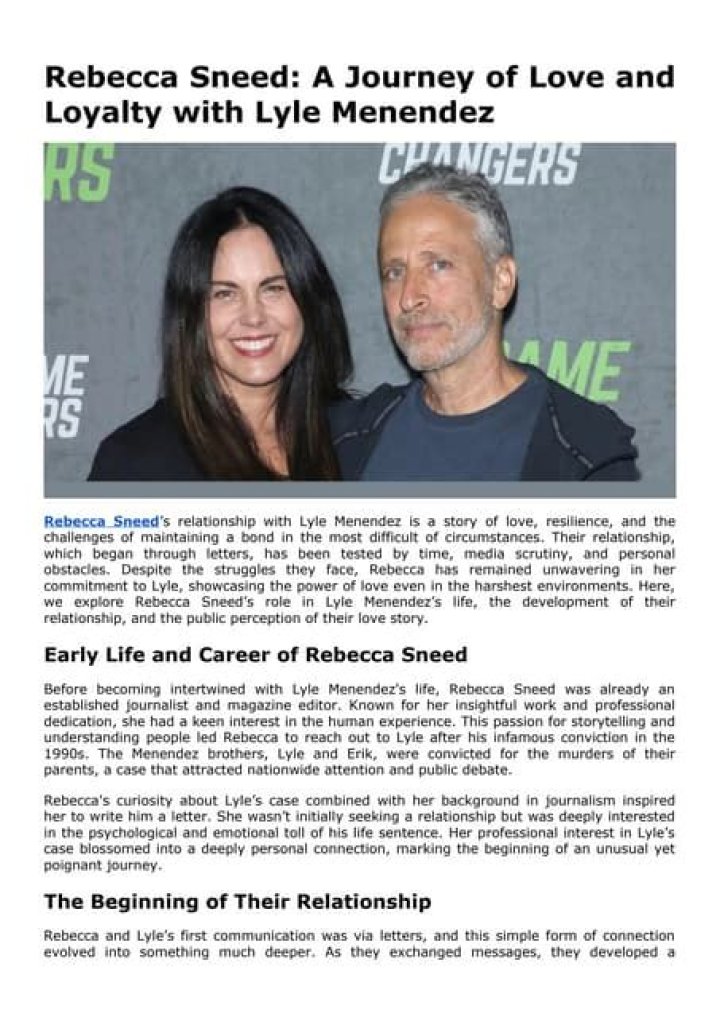
Lefty Korine is an American film director, screenwriter, actor, and producer. He is best known for his independent films, which often explore themes of alienation, violence, and the American South.
Korine's films have been praised for their originality, audacity, and visual style. He has been compared to directors such as John Waters, Harmony Korine, and Larry Clark. Korine's films have also been controversial, with some critics accusing him of misogyny and glorifying violence. However, his films have also been defended by critics who argue that they are powerful and provocative works of art that offer a unique perspective on the human condition.
Korine's most famous films include Gummo (1997), Julien Donkey-Boy (1999), Mister Lonely (2007), and Spring Breakers (2012). He has also directed music videos for artists such as Nirvana, Sonic Youth, and Beck.
lefty korine
Lefty Korine is an American film director, screenwriter, actor, and producer. He is best known for his independent films, which often explore themes of alienation, violence, and the American South.
- Director: Korine has directed several acclaimed independent films, including Gummo, Julien Donkey-Boy, and Spring Breakers.
- Screenwriter: Korine has written the screenplays for all of his films, as well as for other directors, such as Harmony Korine and Gus Van Sant.
- Actor: Korine has appeared in several of his own films, as well as in films by other directors, such as Kids and Ken Park.
- Producer: Korine has produced several of his own films, as well as films by other directors, such as Trash Humpers and The Beach Bum.
- Independent: Korine's films are typically produced outside of the Hollywood studio system, and they often feature non-professional actors and unconventional storytelling techniques.
- Alienation: Korine's films often explore themes of alienation and isolation, and his characters are often outsiders or misfits.
- Violence: Korine's films often feature graphic violence, and he has been criticized for glorifying violence. However, his defenders argue that his films are a realistic portrayal of the violence that exists in the world.
- American South: Korine's films are often set in the American South, and they often explore the region's unique culture and history.
- Controversy: Korine's films have been praised for their originality and audacity, but they have also been controversial. Some critics have accused him of misogyny and glorifying violence.
- Influence: Korine's films have been influential on a number of other filmmakers, including Harmony Korine, Larry Clark, and Gregg Araki.
Conclusion:
Lefty Korine is one of the most important and influential independent filmmakers of his generation. His films are often challenging and disturbing, but they are also powerful and provocative. Korine's films offer a unique perspective on the human condition, and they continue to inspire and challenge audiences.
Director
As a director, Lefty Korine has garnered critical acclaim for his independent films, establishing himself as a significant figure in the realm of independent cinema.
- Independent filmmaking
Korine's independent approach and rejection of mainstream filmmaking norms enable him to explore unconventional themes and experiment with narrative structures, resulting in distinctive and thought-provoking cinematic experiences. - Exploration of social issues
Korine's films often delve into profound social issues, such as alienation, poverty, and violence, shedding light on marginalized communities and challenging societal norms. - Visual aesthetics
Korine's films are recognized for their unique visual aesthetics, often characterized by raw, gritty, and unconventional imagery, creating a distinctive and immersive cinematic environment. - Collaboration with non-professional actors
Korine frequently collaborates with non-professional actors, lending an air of authenticity and immediacy to his films, further enhancing their raw and unvarnished quality.
In summary, Lefty Korine's directorial efforts have had a profound impact on the independent film landscape, showcasing his ability to craft thought-provoking and visually striking cinematic experiences while exploring relevant social issues and pushing creative boundaries.
Screenwriter
As a screenwriter, Lefty Korine plays a pivotal role in crafting the narratives and shaping the vision of his films, contributing significantly to his unique cinematic style and thematic preoccupations.
- Personal storytelling
Writing his own screenplays allows Korine to fully realize his creative vision and explore personal themes and experiences, resulting in deeply authentic and emotionally resonant narratives. - Collaboration with other directors
Korine's screenwriting extends beyond his own directorial projects, as he has collaborated with other notable filmmakers, such as Harmony Korine and Gus Van Sant, bringing his unique writing style and perspective to their cinematic endeavors. - Control over creative process
By writing his own screenplays, Korine maintains complete control over the creative process, ensuring that his films remain faithful to his artistic intentions and uncompromising vision. - Exploration of complex characters
Korine's screenwriting often centers around complex and unconventional characters, allowing him to explore the intricacies of human nature and the complexities of the human condition.
In summary, Lefty Korine's role as a screenwriter is integral to his filmmaking process, enabling him to fully express his creative vision, collaborate with other directors, and craft emotionally resonant narratives that delve into the complexities of human existence.
Actor
Lefty Korine's multifaceted role as an actor enriches his filmmaking process and contributes to the distinctive character of his cinematic endeavors.
- Embodiment of his artistic vision
By appearing in his own films, Korine embodies his artistic vision and establishes a direct connection with the audience, allowing him to convey his themes and emotions through his performances. - Exploration of diverse characters
Korine's acting roles extend beyond his own films, as he has collaborated with other directors, portraying a range of diverse characters, showcasing his versatility and depth as an actor. - Understanding of filmmaking process
Korine's experience as an actor provides him with an intimate understanding of the filmmaking process, enabling him to empathize with his actors and guide their performances more effectively. - Collaboration and creative exchange
Korine's collaborations with other directors foster creative exchange and cross-pollination of ideas, expanding his artistic horizons and enriching his filmmaking perspective.
In summary, Lefty Korine's involvement as an actor deepens his artistic expression, allows him to embody his creative vision, and enhances his understanding of the filmmaking process, ultimately contributing to the authenticity and impact of his films.
Producer
As a producer, Lefty Korine plays a crucial role in bringing cinematic projects to life, extending his influence beyond his directorial endeavors and contributing to the realization of diverse artistic visions.
- Supporting Independent Cinema
Korine's production efforts often support independent films, providing a platform for emerging filmmakers and unconventional projects that might otherwise struggle to secure funding. - Collaboration and Artistic Exchange
Through producing films by other directors, Korine engages in creative exchange and collaboration, fostering a sense of community within the independent film scene. - Quality Control and Creative Oversight
As a producer, Korine maintains a level of creative oversight, ensuring that the films he is involved with align with his artistic sensibilities and commitment to quality. - Expansion of Artistic Horizons
Producing a variety of films allows Korine to explore different genres, themes, and styles, expanding his creative horizons and enriching his understanding of the filmmaking process.
In conclusion, Lefty Korine's role as a producer is integral to his creative endeavors, enabling him to support independent cinema, foster collaboration, maintain creative control, and expand his artistic horizons.
Independent
Lefty Korine's independent filmmaking approach is a defining characteristic of his work, allowing him to explore unique perspectives and styles that challenge conventional filmmaking norms.
- Creative Freedom:
Independence from Hollywood studios grants Korine complete creative control, enabling him to pursue personal and unconventional projects that may not align with mainstream sensibilities. - Non-Traditional Storytelling:
Korine's films often defy traditional narrative structures and employ unconventional storytelling techniques, resulting in distinctive and thought-provoking cinematic experiences. - Exploration of Marginalized Voices:
Independent filmmaking provides Korine with the freedom to explore the lives and perspectives of marginalized individuals and communities, shedding light on underrepresented narratives. - Collaboration with Non-Professional Actors:
Korine's frequent use of non-professional actors lends an air of authenticity and immediacy to his films, capturing raw performances and blurring the lines between fiction and reality.
In conclusion, Lefty Korine's independent filmmaking approach is integral to his artistic vision, allowing him to pursue unique storytelling styles, explore marginalized perspectives, and create thought-provoking cinematic experiences that challenge conventional norms.
Alienation
In Lefty Korine's films, alienation manifests as a profound sense of isolation and estrangement from society. His characters often find themselves on the fringes, struggling to connect with others and to find their place in the world.
- Social Outcasts
Korine's films feature characters who are social outcasts, often due to their unconventional behavior or appearance. They may be ridiculed, misunderstood, or even feared by those around them. - Emotional Isolation
Even when his characters are surrounded by others, they often feel a deep sense of emotional isolation. They may be unable to express their true feelings or to form meaningful connections with others. - Existential Angst
Korine's films explore the existential angst that comes with being an individual in a vast and indifferent universe. His characters often grapple with questions of meaning, purpose, and the nature of existence. - The Search for Identity
Many of Korine's characters are on a journey to find their identity. They may experiment with different roles and identities, but they often struggle to find a sense of belonging.
Korine's exploration of alienation is a reflection of his own experiences as an outsider in the film industry. He has often felt isolated from the mainstream and has struggled to find acceptance for his unconventional films.
Violence
The depiction of violence in Lefty Korine's films is a controversial aspect of his work. Some critics have accused him of glorifying violence, while others argue that his films are a realistic portrayal of the violence that exists in the world.
Korine has stated that he does not intend to glorify violence, but rather to show it in a way that is honest and unflinching. He believes that violence is a part of life, and that it is important to confront it rather than ignore it.
Korine's films often explore the causes and consequences of violence. In his film Gummo, for example, he depicts the lives of several young people who are living in a poverty-stricken town. The film shows how violence is a way of life for these characters, and how it affects their relationships and their mental health.
Korine's films have been praised for their realism and their unflinching look at violence. However, they have also been criticized for being too graphic and for desensitizing audiences to violence. Ultimately, whether or not Korine's films glorify violence is a matter of opinion. However, there is no doubt that his films are a powerful and provocative examination of this complex issue.
The depiction of violence in Lefty Korine's films is a reflection of his own experiences with violence. He grew up in a violent neighborhood, and he has witnessed firsthand the devastating effects of violence. Korine's films are a way for him to process his own experiences and to make sense of the violence that he has seen.
American South
Lefty Korine's films are deeply rooted in the American South, a region that has shaped his unique cinematic style and thematic preoccupations.
- Regional Identity
Korine's films capture the distinctive cultural identity of the American South, exploring its complex history, social dynamics, and cultural traditions. - Social Issues
Korine's films often tackle social issues prevalent in the South, such as poverty, racism, and violence, shedding light on the region's challenges and contradictions. - Gothic Sensibility
The American South's Gothic literary tradition has influenced Korine's films, which often feature elements of the macabre, the grotesque, and the supernatural. - Personal Connection
Korine's personal experiences growing up in the South have profoundly shaped his films, providing a deep understanding of the region's culture and psyche.
Korine's films offer a nuanced and often unsettling portrayal of the American South, exploring its beauty, its complexities, and its dark underbelly. Through his films, Korine invites audiences to confront the region's past and present, and to grapple with its enduring legacy.
Controversy
The controversy surrounding Lefty Korine's films stems from their unflinching exploration of taboo subjects and their often-graphic depictions of violence and sexuality.
- Misogyny
Korine's films have been criticized for their portrayal of women. Some critics argue that his films are misogynistic, as they often depict women as objects of violence or sexual exploitation. - Violence
Korine's films are also known for their graphic violence. Some critics argue that his films glorify violence, as they often depict it in a way that is both realistic and disturbing. - Artistic Intent
Korine's defenders argue that his films are not intended to be misogynistic or to glorify violence. Rather, they argue that Korine's films are a reflection of the dark side of society, and that he is simply trying to depict the world as he sees it. - Freedom of Expression
Korine's films have also sparked debate about the limits of freedom of expression. Some people argue that Korine's films should be banned because they are too violent or misogynistic. Others argue that Korine has the right to make the films he wants to make, even if they are controversial.
The controversy surrounding Lefty Korine's films is likely to continue for years to come. However, there is no doubt that Korine is a talented filmmaker who is not afraid to push the boundaries of what is considered acceptable.
Influence
Lefty Korine's unique and uncompromising style has had a profound influence on a number of other filmmakers, who have adopted and expanded upon his techniques and thematic preoccupations.
- Subversive Storytelling
Korine's films challenge conventional narrative structures and explore unconventional subject matter, inspiring other filmmakers to push the boundaries of storytelling and explore new cinematic possibilities. - Exploration of the American South
Korine's films often capture theidentity of the American South, influencing other filmmakers to explore the region's complex social and cultural issues. - Unflinching Portrayal of Violence
Korine's films often depict violence in a raw and realistic manner, influencing other filmmakers to confront difficult and disturbing subject matter in their own work. - Collaboration and Collective Vision
Korine has frequently collaborated with other filmmakers, such as Harmony Korine and Larry Clark, fostering a sense of community and shared artistic vision that has influenced the independent film scene.
The influence of Lefty Korine's films can be seen in the work of a new generation of filmmakers who are pushing the boundaries of cinema and exploring new ways to tell stories.
FAQs on Lefty Korine
This section provides answers to frequently asked questions about Lefty Korine, an acclaimed independent filmmaker known for his unique style and controversial themes.
Question 1: What is Lefty Korine's filmmaking style known for?
Answer: Korine's films are characterized by their raw, gritty aesthetic, unconventional storytelling techniques, and unflinching exploration of dark and taboo subjects.
Question 2: What are the common themes explored in Korine's films?
Answer: Korine's films often delve into themes of alienation, violence, poverty, and the American South, offering a unflinching look at the darker aspects of society.
Question 3: Why are Korine's films often controversial?
Answer: Korine's films have sparked controversy due to their graphic depictions of violence, explicit sexual content, and unflinching portrayal of disturbing subject matter.
Question 4: What is Korine's significance in the independent film scene?
Answer: Korine is widely regarded as a influential figure in independent cinema, inspiring a new generation of filmmakers with his bold and unconventional approach to storytelling.
Question 5: What are some of Korine's most notable films?
Answer: Korine's filmography includes acclaimed works such as "Gummo" (1997), "Julien Donkey-Boy" (1999), "Mister Lonely" (2007), and "Spring Breakers" (2012).
Question 6: What is Korine's creative process like?
Answer: Korine is known for his improvisational and collaborative approach to filmmaking, often relying on non-professional actors and allowing for spontaneity on set.
Summary: Lefty Korine's distinctive style and provocative subject matter have cemented his status as a significant and polarizing figure in contemporary cinema. His films continue to challenge audiences and inspire filmmakers, leaving a lasting impact on the independent film landscape.
Transition to the next article section: Explore further insights into Lefty Korine's creative vision and the cultural impact of his work in the following sections.
Tips Inspired by Lefty Korine's Filmmaking
The distinctive style and unconventional techniques employed by Lefty Korine offer valuable insights for aspiring filmmakers and storytellers.
Tip 1: Embrace Unconventional StorytellingChallenge traditional narrative structures and explore innovative ways to convey your story. Experiment with non-linear timelines, fragmented narratives, and unconventional editing techniques to create immersive and thought-provoking experiences.Tip 2: Explore the Darker Side of Life
Do not shy away from tackling difficult and disturbing subject matter. Korine's films often delve into the depths of human depravity and social issues, offering a unflinching look at the darker aspects of society.Tip 3: Collaborate and Experiment
Foster a collaborative spirit on set and embrace experimentation. Korine frequently works with non-professional actors and allows for improvisation, leading to raw and authentic performances.Tip 4: Create a Unique Visual Style
Develop a distinctive visual aesthetic that complements your storytelling. Utilize unconventional camera angles, gritty cinematography, and evocative color palettes to create a visually striking and memorable cinematic experience.Tip 5: Push the Boundaries of Filmmaking
Challenge conventional filmmaking norms and explore new ways to engage audiences. Korine's films often defy easy categorization and push the boundaries of what is considered acceptable in cinema.Summary: By embracing these tips inspired by Lefty Korine's filmmaking, you can develop a unique and compelling cinematic style that resonates with audiences while challenging their expectations.Conclusion: Lefty Korine's bold and uncompromising approach to filmmaking serves as a testament to the power of embracing unconventional techniques and exploring the darker recesses of human nature. By studying his work and applying these tips, aspiring filmmakers can develop their own distinct voices and create thought-provoking and impactful cinematic experiences.
Conclusion
Lefty Korine's unique cinematic vision and unwavering commitment to exploring the darker aspects of society have cemented his place as a significant figure in contemporary cinema. His bold and uncompromising films challenge audiences to confront uncomfortable truths and grapple with the complexities of human nature.
Korine's body of work serves as a testament to the power of pushing creative boundaries and embracing unconventional storytelling techniques. By delving into the depths of human depravity and social issues, his films offer a unflinching look at the world around us. Korine's influence extends beyond his own filmography, inspiring a new generation of filmmakers to challenge norms and explore new cinematic possibilities.
Unveiling Mike Braun's Political Compass: A Journey Into Conservative Principles And Policy Positions
Unveiling Catherine O'Hara Bo Welch's Creative Genius And Impact
Unveiling The Bond: Ruth Kearney's Siblings And Their Influence
Meet Lefty Korine, the 12YearOld Jeweler to Watch
Lefty Korine Gives Finn Wolfhard the Scoop on Her Jewelry Line
Meet Lefty Korine, The CoolKids Jewelry Designer Who's Actually a Kid