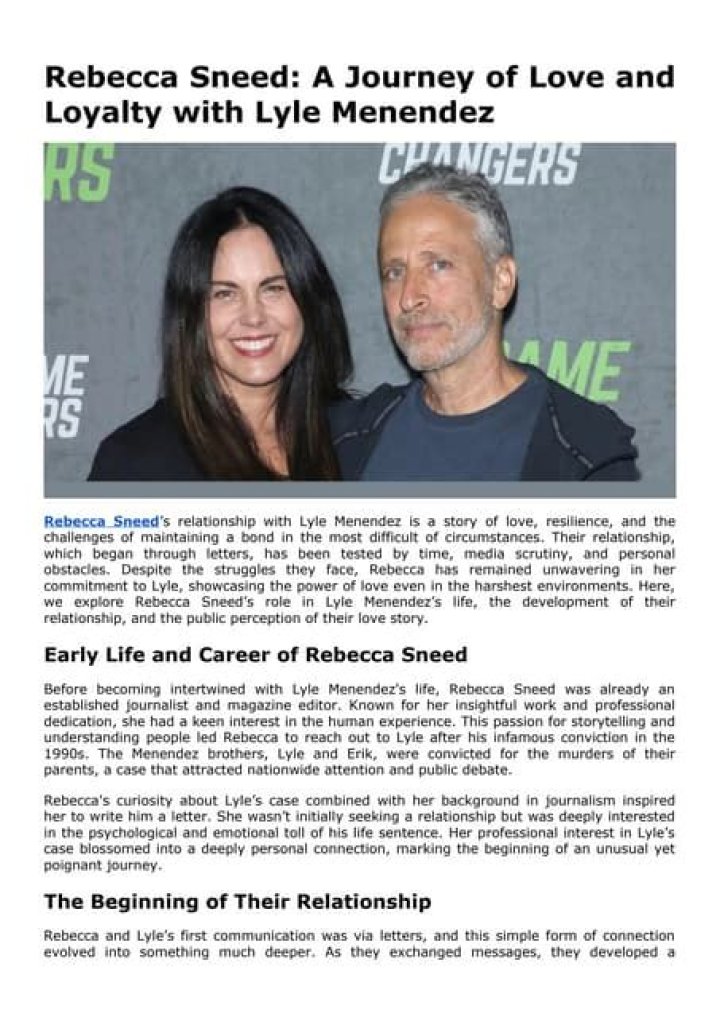
The question of whether Jenifer Lewis has a child is a topic of public interest, given her status as a prominent actress and singer. While the answer to this question is not readily available in public sources, it is important to note that personal information about celebrities should be respected and that assumptions or speculation should not be made without her consent.
The significance of this question lies in the cultural fascination with the personal lives of public figures and the desire to connect with them on a more intimate level. Understanding the boundaries of privacy and respecting the personal space of celebrities is crucial in maintaining healthy and respectful relationships between the public and those in the spotlight.
Moving beyond the specific question, it is essential to recognize the broader importance of respecting privacy and boundaries in all interpersonal relationships. Whether interacting with celebrities or individuals in our daily lives, it is always crucial to approach conversations and inquiries with sensitivity and consideration for the other person's comfort and privacy.
Does Jenifer Lewis Have a Child?
Jenifer Lewis is an American actress, singer, and comedian. She has appeared in over 100 films and television shows, including "The Fresh Prince of Bel-Air," "Toy Story 2," and "Black-ish." Lewis has also released several albums, including "The Color Purple" and "Born to Sing." She has been nominated for numerous awards, including two Emmy Awards and a Grammy Award.
Lewis has been married twice, but she does not have any children. She has said that she never wanted to have children, and that she is happy with her life the way it is.
Key Aspects- Personal choice: Lewis has stated that she never wanted to have children.
- Career focus: Lewis has had a successful career in entertainment, which may have contributed to her decision not to have children.
- Lifestyle: Lewis has said that she enjoys her life the way it is, and that she does not feel the need to have children.
- Societal expectations: Lewis has challenged societal expectations that women should have children.
- Role model: Lewis is a role model for women who choose not to have children.
- Privacy: Lewis has the right to privacy regarding her personal life, including her decision not to have children.
- Respect: It is important to respect Lewis's decision not to have children.
- Diversity: Lewis's decision not to have children is a reminder that there is diversity in women's experiences and choices.
Lewis's decision not to have children is a personal one. It is important to respect her decision and to recognize that there is no one right way to live. Lewis is a successful and happy woman, and she has made the choice that is right for her.
Personal choice
The personal choice to not have children is a significant factor in understanding the answer to "does Jenifer Lewis have a child?". Lewis's decision is based on her own values, beliefs, and life goals, and it is important to respect her choice.
- Autonomy and bodily rights: Lewis has the right to make decisions about her own body and her own life, including whether or not to have children.
- Diverse life paths: There is no one right way to live, and Lewis's choice to not have children is a valid and respectable life path.
- Challenging societal expectations: Lewis's decision not to have children challenges the societal expectation that women should have children.
- Role model for others: Lewis is a role model for other women who choose to not have children.
Lewis's personal choice to not have children is a reminder that there is diversity in women's experiences and choices. It is important to respect her decision and to recognize that there is no one right way to live.
Career focus
The connection between career focus and the decision to not have children is a complex one, influenced by a variety of factors. In the case of Jenifer Lewis, her successful career in entertainment may have played a role in her decision to not have children.
A career in entertainment often requires significant time, travel, and dedication. Lewis has stated that she loves her work and is committed to her career. She has also said that she never felt the need to have children, and that she is happy with her life the way it is.
It is possible that Lewis's career focus made it difficult for her to imagine having children. She may have felt that she would not be able to give her children the time and attention they deserved. She may also have felt that having children would interfere with her career goals.
Whatever her reasons, Lewis's decision to not have children is a personal one. It is important to respect her decision and to recognize that there is no one right way to live. Lewis is a successful and happy woman, and she has made the choice that is right for her.
Lifestyle
The connection between Lewis's lifestyle and her decision to not have children is significant. Lewis has stated that she loves her life the way it is, and that she does not feel the need to have children. This suggests that Lewis is content with her current lifestyle and does not believe that having children would add to her happiness or fulfillment.
There are many reasons why someone might choose to not have children. Some people may feel that they are not ready for the responsibility of raising children. Others may feel that they do not have the financial means to support children. Still others may simply not desire to have children. Lewis's reasons for not having children are personal, and it is important to respect her decision.
Lewis's decision to not have children is a reminder that there is no one right way to live. Some people choose to have children, while others choose not to. Both choices are valid, and it is important to respect the choices of others.
Societal expectations
The connection between societal expectations and the decision to have children is a complex one. In many cultures, there is a strong expectation that women will have children. This expectation can be based on religious beliefs, cultural traditions, or social norms. For some women, the pressure to have children can be overwhelming.
Jenifer Lewis has challenged societal expectations that women should have children. She has stated that she never wanted to have children, and that she is happy with her life the way it is. Lewis's decision to not have children is a reminder that there is no one right way to live. Some women choose to have children, while others choose not to. Both choices are valid, and it is important to respect the choices of others.
Lewis's decision to not have children is also a reminder that women should not be defined by their reproductive choices. Women can be successful and happy without having children. They can have fulfilling careers, relationships, and lives without ever becoming mothers.
The societal expectation that women should have children can be harmful. It can lead to feelings of guilt and shame for women who choose not to have children. It can also lead to discrimination against women who are childless. Lewis's decision to challenge this expectation is an important step towards creating a more just and equitable society for all women.
Role model
Jenifer Lewis's decision to not have children has made her a role model for women who choose to live their lives differently. Her choice challenges traditional societal expectations and allows other women to feel more comfortable and confident in their own choices.
- Media Representation: Lewis's visibility in the media as a successful and happy woman without children helps to normalize the idea of a fulfilling life without children.
- Challenging Stereotypes: Lewis's public statements about her choice not to have children challenge the stereotype that women are only fulfilled when they are mothers.
- Personal Empowerment: Lewis's example empowers women to make choices about their own bodies and lives, regardless of societal expectations.
- Diversity of Experiences: Lewis's story adds to the diversity of women's experiences and challenges the idea that there is only one right way to live.
By being open about her choice, Lewis helps to create a more inclusive and supportive environment for women of all backgrounds and life experiences.
Privacy
The right to privacy is a fundamental human right that protects an individual's personal information and choices from being disclosed or interfered with by others without their consent. This right extends to all aspects of a person's life, including their decision whether or not to have children.
- Bodily Autonomy:
The decision of whether or not to have children is a deeply personal one that affects an individual's physical and emotional well-being. Lewis has the right to make this decision without pressure or interference from others.
- Control Over Personal Information:
Information about a person's reproductive choices is considered highly sensitive and private. Lewis has the right to control who has access to this information and to make decisions about how it is used.
- Protection from Discrimination:
In some cases, individuals who choose not to have children may face discrimination or stigma. Lewis's right to privacy helps to protect her from these forms of discrimination.
Respecting Lewis's right to privacy means respecting her decision not to have children and not pressuring her to provide information about her personal life. It also means respecting her right to make choices about her own body and her own life, free from judgment or interference.
Respect
In exploring the connection between "respect" and the question of whether Jenifer Lewis has a child, it is crucial to recognize the significance of respecting personal choices and boundaries. Lewis's decision not to have children is a deeply personal one that should be respected without judgment or pressure.
- Privacy and Autonomy:
Lewis has the right to make choices about her own body and life, including the decision of whether or not to have children. Respecting her privacy means honoring her choices and refraining from pressuring her for personal information.
- Diversity of Life Experiences:
Lewis's decision to not have children is a reminder that individuals have diverse life experiences and values. Respecting her choice means acknowledging that there is no one right way to live and that her path is just as valid as any other.
- Challenging Societal Norms:
Lewis's decision challenges traditional societal expectations that women should have children. Respecting her choice means supporting her in breaking free from these norms and living her life according to her own values.
- Empowerment for Others:
By respecting Lewis's decision, we empower other women who may choose to live differently. It sends a message that women have the right to make choices about their own bodies and lives, regardless of societal expectations.
Ultimately, respecting Lewis's decision to not have children is a matter of, diversity, and the right to live life on one's own terms. It is by respecting these choices that we create a truly inclusive and supportive society.
Diversity
Jenifer Lewis's decision not to have children highlights the diversity of experiences and choices that women have in life. Her decision challenges the traditional societal expectation that women should have children and serves as a reminder that there is no one right way to live.
This diversity is important because it allows women to make choices that are right for them, based on their individual values, beliefs, and circumstances. It also challenges the narrow and often limiting expectations that society places on women.
By embracing diversity and respecting the choices of others, we can create a more inclusive and supportive society for all women. We can also challenge the traditional gender roles that have long defined women's lives and empower women to live their lives on their own terms.
FAQs about Jenifer Lewis and Her Decision Not to Have Children
This section addresses frequently asked questions about Jenifer Lewis's decision to not have children, providing informative answers to common concerns or misconceptions.
Question 1: Why did Jenifer Lewis choose not to have children?
Answer: Jenifer Lewis has stated that she never felt the need or desire to have children. She has expressed that she is happy and fulfilled with her life and career, and that having children was not a priority for her.
Question 2: Is it unusual for women to choose not to have children?
Answer: No, it is not unusual for women to choose not to have children. In fact, the number of women who are childfree by choice has been steadily increasing in recent decades.
Question 3: Is there something wrong with women who choose not to have children?
Answer: No, there is nothing wrong with women who choose not to have children. It is a personal choice that should be respected, just like any other life choice.
Question 4: Are women who choose not to have children selfish?
Answer: No, women who choose not to have children are not selfish. They are simply making a choice that is right for them and their lives.
Question 5: Can women who choose not to have children still be happy and fulfilled?
Answer: Yes, women who choose not to have children can still be happy and fulfilled. They may find fulfillment in their careers, relationships, hobbies, or other aspects of their lives.
Question 6: Should women feel pressured to have children?
Answer: No, women should not feel pressured to have children. It is a personal decision that should be made without external pressure or judgment.
Summary: Jenifer Lewis's decision not to have children is a personal choice that should be respected. It is important to remember that there is no one right way to live, and that women should be free to make choices that are right for them.
Transition: This concludes the FAQs about Jenifer Lewis and her decision not to have children. For further exploration, please refer to the other sections of this article for additional insights and perspectives.
Tips for Understanding Jenifer Lewis's Decision Not to Have Children
Understanding Jenifer Lewis's decision to not have children can provide valuable insights into personal choices, societal expectations, and the diversity of women's experiences. Here are a few tips to consider:
Tip 1: Respect Personal Choices
It is crucial to respect Jenifer Lewis's personal decision not to have children. This decision is based on her own values, beliefs, and life goals, and it should be respected without judgment or pressure.
Tip 2: Challenge Societal Expectations
Lewis's decision challenges the societal expectation that women should have children. By openly sharing her choice, she helps to break down traditional gender roles and empowers other women to make choices that are right for them.
Tip 3: Embrace Diversity
Lewis's decision is a reminder of the diversity of women's experiences and choices. Not all women have the same desires or life goals, and it is important to embrace this diversity and recognize that there is no one right way to live.
Tip 4: Focus on Individual Fulfillment
Lewis has stated that she is happy and fulfilled with her life and career. Her decision not to have children allowed her to focus on her own personal growth and fulfillment, which is an important goal for many women.
Tip 5: Respect Privacy
Lewis has the right to privacy regarding her personal life, including her decision not to have children. It is important to respect her privacy and refrain from pressuring her for personal information.
Summary: Understanding Jenifer Lewis's decision not to have children requires respecting personal choices, challenging societal expectations, embracing diversity, focusing on individual fulfillment, and respecting privacy. By considering these tips, we can gain a deeper appreciation for the diverse paths that women take in life.
Transition: These tips provide guidance for respectfully engaging with the topic of Jenifer Lewis's decision not to have children. For further exploration, please refer to the other sections of this article for additional insights and perspectives.
Conclusion
The exploration of the topic "does Jenifer Lewis have a child?" has shed light on the personal choices, societal expectations, and diversity of women's experiences. Jenifer Lewis's decision to not have children is a reminder that there is no one right way to live and that women should be free to make choices that are right for them.
This topic challenges traditional gender roles and empowers women to live their lives on their own terms. By embracing diversity, respecting personal choices, and recognizing the importance of individual fulfillment, we can create a more inclusive and supportive society for all women.
Unveiling The Private World Of Shelby Stanga's Wife: Secrets Revealed
Rebecca De Mornay's Boyfriend: Uncovering A Private Romance
Unveiling The Truth: Chris Rodrigues' Marital Status Revealed
/jennifer-lawrence-1-1a66969e84e94856bd071f1b5e371fd8.jpg)