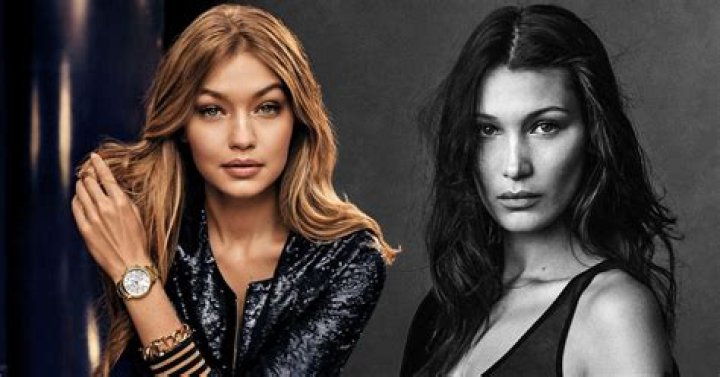
Hot female news reporters are a popular topic of discussion on the internet. There are many websites and forums dedicated to discussing the physical attractiveness of female news reporters. Some people argue that the focus on the physical appearance of female news reporters is sexist and objectifying. Others argue that it is simply a matter of personal preference.
There is no doubt that female news reporters are often held to a different standard than their male counterparts. They are often expected to be not only intelligent and well-informed, but also physically attractive. This can create a double standard that is difficult for female news reporters to navigate.
Despite the challenges, there are many successful and respected female news reporters who have made significant contributions to the field of journalism. These women have broken down barriers and paved the way for future generations of female journalists.
Hot Female News Reporters
Hot female news reporters are a topic of discussion on the internet. There are many websites and forums dedicated to discussing the physical attractiveness of female news reporters. Some people argue that the focus on the physical appearance of female news reporters is sexist and objectifying. Others argue that it is simply a matter of personal preference.
- Objectification
- Sexism
- Beauty standards
- Media representation
- Female empowerment
- Journalism ethics
- Viewership
- Objectivity
The discussion of hot female news reporters raises important questions about the objectification of women in the media, the sexism that is often directed towards female journalists, and the beauty standards that are imposed on women in the public eye. It is important to remember that female news reporters are first and foremost journalists who deserve to be respected for their work. Their physical appearance should not be the focus of attention.
There are many successful and respected female news reporters who have made significant contributions to the field of journalism. These women have broken down barriers and paved the way for future generations of female journalists. They are role models for young women who are interested in pursuing a career in journalism.
Objectification
Objectification is the act of treating a person as an object, rather than as a human being. It can involve treating someone as a sexual object, a commodity, or a tool. Objectification can be harmful because it can lead to discrimination, abuse, and violence. Objectification relies on the separation of mind and body, and posits that certain bodies are fit to be acted upon, owned, and controlled by others. Historically, women have been disproportionately subjected to objectification and treated as less than fully human. Women are socialised from a young age that their value as human beings is contingent upon their physical appearance, and that being sexually desirable is a source of power.
The objectification of women in the media is a serious problem. Female news reporters are often objectified and sexualised in the media, which can have a negative impact on their careers and their personal lives.
There are a number of ways to combat the objectification of women in the media. One important step is to challenge the traditional beauty standards that are imposed on women. We need to start valuing women for their intelligence, their accomplishments, and their character, rather than for their physical appearance.
Sexism
Sexism is prejudice or discrimination based on a person's sex or gender. It can manifest in various forms, including:
- Stereotyping: Assuming that all members of a particular sex or gender have the same traits or abilities.
- Objectification: Treating people as objects rather than as individuals with thoughts and feelings.
- Marginalization: Excluding people from opportunities or positions of power based on their sex or gender.
- Violence: Physical or sexual abuse directed at people based on their sex or gender.
Sexism is a serious problem in the media, including in the portrayal of female news reporters. Female news reporters are often subjected to objectification, sexual harassment, and discrimination. This can make it difficult for them to succeed in their careers and can have a negative impact on their personal lives.
There are a number of things that can be done to address sexism in the media. One important step is to challenge the traditional stereotypes that are often applied to female news reporters. We need to start valuing women for their intelligence, their accomplishments, and their character, rather than for their physical appearance.
Beauty Standards
Beauty standards are the socially constructed ideals about physical appearance that are considered attractive or beautiful within a particular culture. These standards can vary widely from culture to culture and over time. In Western culture, the current beauty standards for women emphasize youth, thinness, and symmetry. These standards are often unattainable and can lead to body dissatisfaction and eating disorders.
- Thinness
Thinness is often associated with beauty and health in Western culture. This ideal is often unattainable and can lead to eating disorders and other health problems. Female news reporters are often expected to be thin, which can put them under a lot of pressure to conform to this unrealistic ideal.
- Youthfulness
Youthfulness is another important beauty standard in Western culture. This ideal is often associated with beauty, health, and vitality. Female news reporters are often expected to look young and fresh-faced, which can put them under a lot of pressure to undergo cosmetic procedures or use anti-aging products.
- Symmetry
Symmetry is another important beauty standard in Western culture. This ideal is often associated with beauty and harmony. Female news reporters are often expected to have symmetrical features, which can put them under a lot of pressure to undergo cosmetic procedures to achieve this ideal.
The beauty standards that are applied to female news reporters are often unrealistic and unattainable. These standards can have a negative impact on the physical and mental health of female news reporters. It is important to challenge these standards and to promote a more realistic and inclusive view of beauty.
Media representation
Media representation is the way in which people and groups are portrayed in the media. It can be positive, negative, or neutral. The media representation of women has a long and complex history, and it has been shaped by a variety of factors, including social, cultural, and political forces.
In recent years, there has been a growing awareness of the importance of media representation, and there have been calls for more diverse and inclusive representation of women in the media. This is especially important for female news reporters, who are often held to a different standard than their male counterparts.
The media representation of female news reporters can have a significant impact on the way that they are perceived by the public. If female news reporters are consistently portrayed as being attractive, it can reinforce the stereotype that women are valued for their appearance rather than their intelligence or abilities. This can make it more difficult for female news reporters to be taken seriously as journalists.
Female empowerment
Female empowerment refers to the process of increasing the power and autonomy of women in all aspects of their lives. This includes social, economic, political, and personal empowerment. Female empowerment is essential for achieving gender equality and creating a more just and equitable world.
- Economic empowerment
Economic empowerment is the ability of women to participate fully in the economy. This includes having access to education, employment, and financial resources. Economic empowerment can help women to gain control over their own lives and to make decisions about their future.
- Political empowerment
Political empowerment is the ability of women to participate fully in political processes. This includes the right to vote, run for office, and hold positions of power. Political empowerment can help women to have a say in the decisions that are made about their lives and communities.
- Social empowerment
Social empowerment is the ability of women to participate fully in social life. This includes the right to education, healthcare, and social protection. Social empowerment can help women to improve their quality of life and to live with dignity.
- Personal empowerment
Personal empowerment is the ability of women to have control over their own bodies and lives. This includes the right to make decisions about their own health, education, and sexuality. Personal empowerment can help women to live with dignity and to reach their full potential.
Female empowerment is essential for achieving gender equality and creating a more just and equitable world. By empowering women, we can help to break down the barriers that prevent them from reaching their full potential.
Journalism ethics
Journalism ethics are the principles that guide journalists in their work. These principles include accuracy, fairness, objectivity, and independence. Journalism ethics are important because they help to ensure that the public can trust the information that they are getting from the media.
The connection between journalism ethics and hot female news reporters is complex. On the one hand, some people argue that the focus on the physical appearance of female news reporters is a violation of journalism ethics. They argue that this focus objectifies women and reduces them to their physical attributes. On the other hand, some people argue that the focus on the physical appearance of female news reporters is simply a reflection of the reality that people are more likely to pay attention to attractive people. They argue that this is not a violation of journalism ethics as long as the reporting is accurate and fair.
The debate over the connection between journalism ethics and hot female news reporters is likely to continue for some time. However, it is important to remember that journalism ethics are important for ensuring that the public can trust the information that they are getting from the media. Journalists should always strive to be accurate, fair, objective, and independent, regardless of the physical appearance of the people they are reporting on.
Viewership
Viewership is an important factor in the success of any news program. News organizations are constantly trying to find ways to increase viewership, and one way to do this is to hire attractive female news reporters.
There is a well-established connection between viewership and hot female news reporters. Studies have shown that viewers are more likely to watch a news program if it features an attractive female reporter. This is likely due to the fact that people are more likely to pay attention to attractive people. Additionally, attractive people are often seen as more credible and trustworthy.
The connection between viewership and hot female news reporters is a complex one. There are a number of factors that contribute to the success of a news program, and the physical appearance of the reporters is just one of them. However, there is no doubt that viewership is an important factor, and news organizations are aware of the connection between viewership and hot female news reporters.
Objectivity
Objectivity is one of the most important principles of journalism. It requires journalists to report the news without bias or prejudice and to present all sides of a story fairly. Objectivity is essential for ensuring that the public can trust the information they are getting from the media.
However, the connection between objectivity and hot female news reporters is complex. On the one hand, some people argue that the focus on the physical appearance of female news reporters is a violation of objectivity. They argue that this focus objectifies women and reduces them to their physical attributes. On the other hand, some people argue that the focus on the physical appearance of female news reporters is simply a reflection of the reality that people are more likely to pay attention to attractive people. They argue that this is not a violation of objectivity as long as the reporting is accurate and fair.
There is no easy answer to the question of whether or not the focus on the physical appearance of female news reporters is a violation of objectivity. However, it is important to remember that objectivity is a complex principle that can be difficult to achieve in practice. Journalists are human beings, and they are inevitably influenced by their own biases and prejudices. The best that journalists can do is to be aware of their own biases and to strive to report the news fairly and accurately.
FAQs about Hot Female News Reporters
This section provides answers to frequently asked questions (FAQs) about hot female news reporters, addressing common concerns and misconceptions surrounding this topic.
Question 1: Is it sexist to focus on the physical appearance of female news reporters?
Objectifying and sexualizing female journalists based on their appearance is considered sexist and inappropriate. The focus should be on their professionalism, credibility, and journalistic abilities rather than their physical attributes.
Question 2: Does the emphasis on physical attractiveness affect the credibility of female news reporters?
While physical appearance may initially attract viewers, it should not determine the credibility of a news reporter. True credibility stems from their expertise, experience, and ability to deliver accurate and unbiased reporting.
Question 3: Does the media's portrayal of female news reporters contribute to unrealistic beauty standards?
The media's portrayal of female news reporters can influence beauty standards, often promoting narrow and unattainable ideals. This can lead to body image issues and negative self-perceptions among viewers, especially young and impressionable individuals.
Question 4: How can we challenge the objectification of female news reporters?
Challenging the objectification of female news reporters involves shifting the focus away from their physical appearance and towards their professional qualities. Viewers can actively support female journalists by valuing their insights, credibility, and journalistic integrity.
Question 5: Is there a place for physical attractiveness in news reporting?
While physical attractiveness may be a factor that initially draws attention, it should not be the defining characteristic of a news reporter. The emphasis should always be on substance, expertise, and the ability to deliver accurate and informative news.
Question 6: What are the ethical considerations for news organizations in portraying female reporters?
News organizations have a responsibility to portray female reporters fairly and respectfully, avoiding objectification and emphasizing their professional capabilities. This includes providing equal opportunities for career advancement and ensuring that their physical appearance does not overshadow their journalistic contributions.
Summary:
It is crucial to recognize and address the concerns surrounding the objectification of female news reporters. By promoting inclusivity, challenging unrealistic beauty standards, and valuing substance over appearance, we can create a more equitable and respectful media landscape.
Transition to the next article section:
Moving forward, let's explore the impact of social media on the portrayal of female news reporters and the challenges and opportunities it presents.
Tips for Covering News as a Woman
Navigating the news industry as a woman poses unique challenges. Here are five effective tips to help women thrive in this field:
Tip 1: Develop a Strong Foundation
Earn a solid education in journalism and communications. Seek opportunities to gain practical experience through internships or entry-level positions. Build a portfolio that showcases your writing, reporting, and storytelling skills.
Tip 2: Cultivate Your Expertise
Specialize in a particular area of news coverage, such as politics, economics, or social issues. Become an authority in your field by conducting thorough research, developing sources, and staying up-to-date on current events.
Tip 3: Network and Seek Mentorship
Attend industry events, join professional organizations, and connect with other journalists. Seek guidance from experienced mentors who can provide support, advice, and industry insights.
Tip 4: Embrace Diversity and Inclusivity
Challenge stereotypes and promote diverse voices in your reporting. Be mindful of the perspectives and experiences of underrepresented communities. Strive to create inclusive and equitable news coverage.
Tip 5: Maintain Professionalism and Credibility
Uphold the highest ethical standards in your work. Avoid sensationalism and bias. Focus on delivering accurate, fair, and informative news stories. Dress appropriately and conduct yourself with professionalism.
Summary:
By following these tips, women can navigate the challenges of the news industry, establish credibility, and make meaningful contributions to journalism.
Transition to the conclusion:
As the media landscape continues to evolve, it is imperative that we support and empower women in news reporting. By valuing diversity, inclusivity, and professional excellence, we can create a more equitable and informed society.
Conclusion
The exploration of "hot female news reporters" has revealed the complex interplay between physical attractiveness, media representation, and journalistic ethics. While physical appearance may initially attract viewers, it should not overshadow the professional qualities and credibility of female news reporters.
To create a more equitable and inclusive media landscape, we must challenge objectification, promote diversity, and value substance over appearance. By supporting women in news reporting and upholding the highest ethical standards, we can empower them to make significant contributions to journalism and society as a whole.