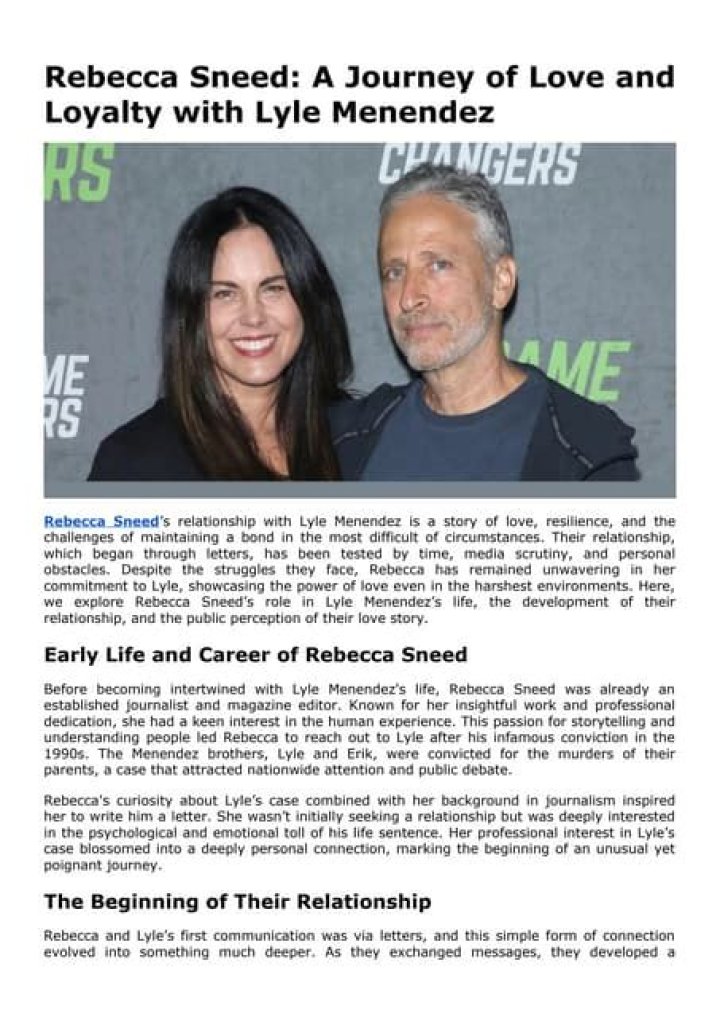
The question of whether Sam Campbell is autistic has been a topic of discussion and speculation. Autism is a complex neurodevelopmental disorder characterized by social and communication challenges, as well as restricted and repetitive patterns of behavior. While there is no definitive answer to the question of Sam Campbell's autism diagnosis, there are certain observable traits and behaviors that may suggest the possibility of an autism spectrum disorder.
It is important to approach this topic with sensitivity and respect for Sam Campbell's privacy. Autism is a spectrum disorder, meaning that it affects individuals in different ways and to varying degrees. It is crucial to avoid stigmatizing language or making assumptions about Sam Campbell's personal experiences or challenges.
The main article topics that will be explored include:
- An overview of autism spectrum disorder, including its symptoms, diagnosis, and prevalence.
- A closer examination of Sam Campbell's behaviors and traits that may be indicative of autism.
- A discussion of the importance of early diagnosis and intervention for individuals with autism.
- The role of support systems, such as family, friends, and professionals, in the lives of individuals with autism.
is sam campbell autistic
The question of whether Sam Campbell is autistic has garnered significant interest and speculation. It is crucial to approach this topic with sensitivity and respect for Sam Campbell's privacy. Autism is a complex neurodevelopmental disorder characterized by social and communication challenges, as well as restricted and repetitive patterns of behavior. While there is no definitive answer to the question of Sam Campbell's autism diagnosis, there are certain observable traits and behaviors that may suggest the possibility of an autism spectrum disorder.
- Social difficulties
- Communication challenges
- Repetitive behaviors
- Sensory sensitivities
- Cognitive strengths
- Emotional regulation
- Executive functioning
- Mental health
- Physical health
These key aspects encompass various dimensions related to the topic of "is sam campbell autistic." They highlight the complexities and multifaceted nature of autism spectrum disorder, underscoring the importance of individualized assessment and support for individuals with autism.
Social difficulties
In the context of autism spectrum disorder (ASD), social difficulties are often a defining characteristic. These difficulties can manifest in various ways, affecting an individual's ability to interact with others, build relationships, and navigate social situations.
- Difficulty with social cues
Individuals with ASD may struggle to interpret nonverbal cues, such as facial expressions, body language, and tone of voice. This can lead to misunderstandings and difficulties in social interactions.
- Impairments in communication
Communication challenges are common in ASD and can include difficulties with understanding language, expressing oneself clearly, and engaging in reciprocal conversations.
- Limited social reciprocity
Individuals with ASD may have difficulty understanding and responding to the emotions and perspectives of others. This can make it challenging for them to build and maintain relationships.
- Restricted or repetitive behaviors
Individuals with ASD may engage in repetitive behaviors or have narrow interests. These behaviors can serve as a way of managing social anxiety or sensory sensitivities.
Social difficulties can have a significant impact on an individual's life, affecting their ability to attend school, maintain employment, and form meaningful relationships. Early diagnosis and intervention are crucial to supporting individuals with ASD in developing social skills and strategies for navigating social situations.
Communication challenges
Communication challenges are a core feature of autism spectrum disorder (ASD) and can significantly impact an individual's ability to interact with others and participate in everyday activities.
- Difficulty understanding language
Individuals with ASD may have difficulty comprehending spoken or written language, including understanding the meaning of words, phrases, and sentences.
- Impairments in expressive language
Individuals with ASD may struggle to express their thoughts and feelings verbally, both in terms of grammar and vocabulary.
- Limited social communication
Individuals with ASD may have difficulty engaging in reciprocal conversations, taking turns, and responding appropriately.
- Nonverbal communication deficits
Individuals with ASD may have difficulty understanding and using nonverbal cues, such as facial expressions, gestures, and body language.
Communication challenges can have a significant impact on an individual's life, affecting their ability to attend school, maintain employment, and form meaningful relationships. Early diagnosis and intervention are crucial to supporting individuals with ASD in developing communication skills and strategies for expressing themselves effectively.
Repetitive behaviors
Repetitive behaviors are a hallmark of autism spectrum disorder (ASD) and can significantly impact an individual's daily life. These behaviors can range from simple movements, such as hand flapping or rocking, to more complex routines, such as lining up toys or repeating phrases.
There are several reasons why individuals with ASD may engage in repetitive behaviors. These behaviors can serve as a way to manage stress or anxiety, regulate sensory input, or communicate needs or emotions. Repetitive behaviors can also be a source of pleasure or comfort for individuals with ASD.
While repetitive behaviors can be a challenge for both the individual and their caregivers, it is important to remember that they are a core part of ASD and should not be seen as a problem to be eliminated. Instead, it is important to focus on understanding the function of the behavior and developing strategies to support the individual in managing their repetitive behaviors in a safe and constructive way.
Sensory sensitivities
Sensory sensitivities are a common characteristic of autism spectrum disorder (ASD) and can significantly impact an individual's daily life. These sensitivities can affect any of the five senses (sight, hearing, touch, smell, and taste) and can range from mild discomfort to severe distress.
For example, an individual with ASD may be hypersensitive to loud noises, bright lights, or certain textures. This can make everyday activities, such as going to the grocery store or attending a school assembly, very challenging. In some cases, sensory sensitivities can be so severe that they can lead to meltdowns or other behavioral problems.
It is important to understand that sensory sensitivities are not simply a matter of being picky or difficult. Rather, they are a neurological difference that can have a significant impact on an individual's life. By understanding the challenges faced by individuals with sensory sensitivities, we can better support them in their daily lives.
There are a number of things that can be done to help individuals with sensory sensitivities. These include:
- Providing a quiet and predictable environment
- Offering choices and allowing for breaks
- Using sensory tools, such as weighted blankets or noise-canceling headphones
- Educating others about sensory sensitivities
Cognitive strengths
Cognitive strengths are a common feature of autism spectrum disorder (ASD) and can be a source of great pride and accomplishment for individuals with ASD and their families. These strengths can include:
- Exceptional memory
Individuals with ASD often have exceptional memories, particularly for details and facts. They may be able to recall information from years ago with great accuracy.
- Strong attention to detail
Individuals with ASD often have a strong attention to detail and may be able to notice things that others miss. This can be an asset in many different settings, such as school, work, and hobbies.
- Excellent problem-solving skills
Individuals with ASD often have excellent problem-solving skills and may be able to come up with creative solutions to challenges. This can be an asset in both personal and professional life.
- Advanced reasoning abilities
Individuals with ASD often have advanced reasoning abilities and may be able to think abstractly and critically. This can be an asset in many different areas, such as academics, research, and philosophy.
It is important to note that not all individuals with ASD will have all of these cognitive strengths. However, many individuals with ASD do have at least some of these strengths, which can be a source of great pride and accomplishment for them and their families.
Emotional regulation
Emotional regulation is the ability to manage one's emotions in a healthy way. This includes being able to identify and understand one's emotions, as well as being able to express them in a constructive way. Emotional regulation is an important life skill for everyone, but it can be especially challenging for individuals with autism spectrum disorder (ASD).
Individuals with ASD may have difficulty understanding their own emotions, as well as the emotions of others. They may also have difficulty expressing their emotions in a way that is socially acceptable. This can lead to problems in social interactions, as well as difficulty managing stress and anxiety.
There are a number of things that can be done to help individuals with ASD improve their emotional regulation skills. These include:
- Teaching individuals with ASD about emotions and how to identify them
- Providing opportunities for individuals with ASD to practice expressing their emotions in a healthy way
- Helping individuals with ASD to develop coping mechanisms for dealing with stress and anxiety
Executive functioning
Executive functioning is a set of cognitive skills that help us plan, organize, and carry out tasks. These skills are essential for everyday life, and they can be especially challenging for individuals with autism spectrum disorder (ASD).
Individuals with ASD may have difficulty with executive functioning skills such as:
- Planning and prioritizing tasks
- Organizing materials and belongings
- Initiating and completing tasks
- Switching between tasks
- Managing time and deadlines
- Inhibiting impulsive behaviors
- Self-monitoring and self-regulation
These difficulties can have a significant impact on an individual's ability to succeed in school, work, and social situations. For example, a child with ASD may have difficulty planning and completing homework assignments, while an adult with ASD may have difficulty managing their time and meeting deadlines at work.
There are a number of things that can be done to help individuals with ASD improve their executive functioning skills. These include:
- Providing structured routines and schedules
- Breaking down tasks into smaller steps
- Using visual aids, such as checklists and calendars
- Teaching individuals with ASD how to use self-monitoring and self-regulation strategies
- Providing positive reinforcement for effort and progress
Improving executive functioning skills can have a significant impact on the lives of individuals with ASD. It can help them to become more independent, successful, and self-sufficient.
Mental health
Mental health is an important component of overall health and well-being, and it is closely linked to autism spectrum disorder (ASD). Individuals with ASD are more likely to experience mental health conditions such as anxiety, depression, and obsessive-compulsive disorder (OCD) than the general population. These conditions can have a significant impact on an individual's quality of life, and they can make it difficult to manage the challenges of ASD.
There are a number of factors that may contribute to the high rate of mental health conditions in individuals with ASD. These factors include:
- Social difficulties: Individuals with ASD may have difficulty interacting with others, which can lead to feelings of loneliness and isolation. These feelings can increase the risk of developing mental health conditions such as anxiety and depression.
- Communication challenges: Individuals with ASD may have difficulty communicating their thoughts and feelings, which can lead to frustration and misunderstandings. These challenges can make it difficult to build relationships and get the support needed to cope with mental health conditions.
- Sensory sensitivities: Individuals with ASD may be sensitive to certain sights, sounds, smells, tastes, or textures. These sensitivities can make it difficult to participate in everyday activities and can lead to anxiety and stress.
- Repetitive behaviors: Individuals with ASD may engage in repetitive behaviors, such as hand flapping or rocking. These behaviors can be a way of managing anxiety or stress, but they can also interfere with daily life and make it difficult to focus on other things.
It is important to be aware of the connection between mental health and ASD so that individuals with ASD can get the support they need to manage their mental health conditions. There are a number of effective treatments available for mental health conditions, and these treatments can help individuals with ASD live happier and more fulfilling lives.
Physical health
Physical health is an important component of overall health and well-being, and it is closely linked to autism spectrum disorder (ASD). Individuals with ASD are more likely to experience physical health conditions such as gastrointestinal problems, sleep disorders, and immune system dysfunction than the general population. These conditions can have a significant impact on an individual's quality of life, and they can make it difficult to manage the challenges of ASD.
There are a number of factors that may contribute to the high rate of physical health conditions in individuals with ASD. These factors include:
- Gastrointestinal problems: Individuals with ASD are more likely to experience gastrointestinal problems such as constipation, diarrhea, and abdominal pain. These problems can be caused by a number of factors, including food sensitivities, dietary changes, and anxiety.
- Sleep disorders: Individuals with ASD are more likely to experience sleep disorders such as insomnia, sleep apnea, and restless legs syndrome. These disorders can make it difficult to get a good night's sleep, which can lead to fatigue, irritability, and difficulty concentrating.
- Immune system dysfunction: Individuals with ASD are more likely to experience immune system dysfunction, which can make them more susceptible to infections and illnesses. This dysfunction may be due to a number of factors, including genetic factors and environmental triggers.
It is important to be aware of the connection between physical health and ASD so that individuals with ASD can get the support they need to manage their physical health conditions. There are a number of things that can be done to improve the physical health of individuals with ASD, including:
- Eating a healthy diet
- Getting regular exercise
- Getting enough sleep
- Managing stress
- Seeing a doctor regularly for checkups and screenings
FAQs on "is sam campbell autistic"
This section addresses frequently asked questions and aims to provide informative answers regarding the topic of "is sam campbell autistic."
Question 1: What is autism spectrum disorder (ASD)?
Answer: Autism spectrum disorder (ASD) is a complex neurodevelopmental condition that affects an individual's social skills, communication abilities, and behavior. Individuals with ASD may exhibit a range of symptoms, and the severity of these symptoms can vary greatly from person to person.
Question 2: What are the common signs and symptoms of ASD?
Answer: Common signs and symptoms of ASD can include difficulty with social interactions, repetitive behaviors or restricted interests, challenges with communication, sensory sensitivities, and differences in cognitive functioning. It's important to note that the presentation of these symptoms can vary widely among individuals with ASD.
Question 3: Is there a cure for ASD?
Answer: Currently, there is no known cure for ASD. However, early intervention and appropriate support can significantly improve an individual's quality of life and help them develop skills to manage the challenges associated with ASD.
Question 4: How is ASD diagnosed?
Answer: ASD is typically diagnosed by a qualified healthcare professional, such as a developmental pediatrician or child psychiatrist. The diagnosis involves evaluating an individual's developmental history, observing their behavior, and using standardized diagnostic criteria.
Question 5: What are the treatments for ASD?
Answer: There is no one-size-fits-all treatment for ASD. Treatment plans are tailored to the individual's specific needs and may include therapies such as speech therapy, occupational therapy, behavioral therapy, and social skills training. Medications may also be prescribed to manage specific symptoms.
Question 6: How can I support someone with ASD?
Answer: Supporting someone with ASD involves understanding their unique needs and strengths. Providing a supportive and inclusive environment, respecting their communication style, and encouraging their interests can make a significant difference in their lives. Additionally, seeking professional guidance and connecting with support groups can provide valuable insights and resources.
Tips Related to "Is Sam Campbell Autistic"
Understanding autism spectrum disorder (ASD) and its implications is crucial. Here are some essential tips to consider:
Tip 1: Educate Yourself: Gain knowledge about ASD, its symptoms, diagnosis, and management strategies. This will enhance your ability to understand and support individuals with ASD.
Tip 2: Respect Individuality: Recognize that every person with ASD is unique. Avoid making assumptions or generalizations. Respect their strengths, challenges, and communication styles.
Tip 3: Foster Communication: Encourage and support communication in individuals with ASD. Utilize visual aids, assistive technology, or alternative communication methods to facilitate effective interaction.
Tip 4: Create a Supportive Environment: Provide a safe, predictable, and structured environment that caters to the sensory needs of individuals with ASD. Minimize distractions and offer sensory-friendly spaces.
Tip 5: Seek Professional Support: Collaborate with healthcare professionals, educators, and therapists to develop a comprehensive support plan tailored to the specific needs of the individual with ASD.
Tip 6: Celebrate Strengths: Focus on the strengths and abilities of individuals with ASD. Encourage their interests, talents, and passions. Celebrate their unique perspectives and contributions.
Tip 7: Promote Inclusivity: Create inclusive environments in schools, workplaces, and communities. Educate others about ASD to foster understanding and acceptance.
Tip 8: Advocate for Rights: Be an advocate for the rights of individuals with ASD. Support policies and initiatives that promote their well-being, education, and employment opportunities.
By following these tips, we can contribute to a more informed, supportive, and inclusive society for individuals with ASD.
Remember, understanding and supporting individuals with ASD is an ongoing journey. Stay informed, be respectful, and advocate for their rights. Together, we can create a better future for all.
Conclusion
The exploration of "is sam campbell autistic" has highlighted the complexities and multifaceted nature of autism spectrum disorder. While a definitive answer to the question of Sam Campbell's diagnosis remains elusive, the discussion has shed light on the importance of understanding and supporting individuals with ASD.
It is essential to recognize the unique strengths and challenges associated with ASD. By fostering inclusive environments, respecting individual needs, and providing appropriate support, we can empower individuals with ASD to thrive in all aspects of life. Ongoing research, advocacy, and collaboration are crucial to improving the lives of those affected by ASD and creating a more equitable and inclusive society.
Unveiling The Secrets Of Nick Watney's Wife: A Journey Of Love, Support, And Philanthropy
Unveiling The Life And Love Of Seth MacFarlane's Enigmatic Wife
Unveiling The Secrets: Discovering Theresa Caputo's Remarkable Wealth