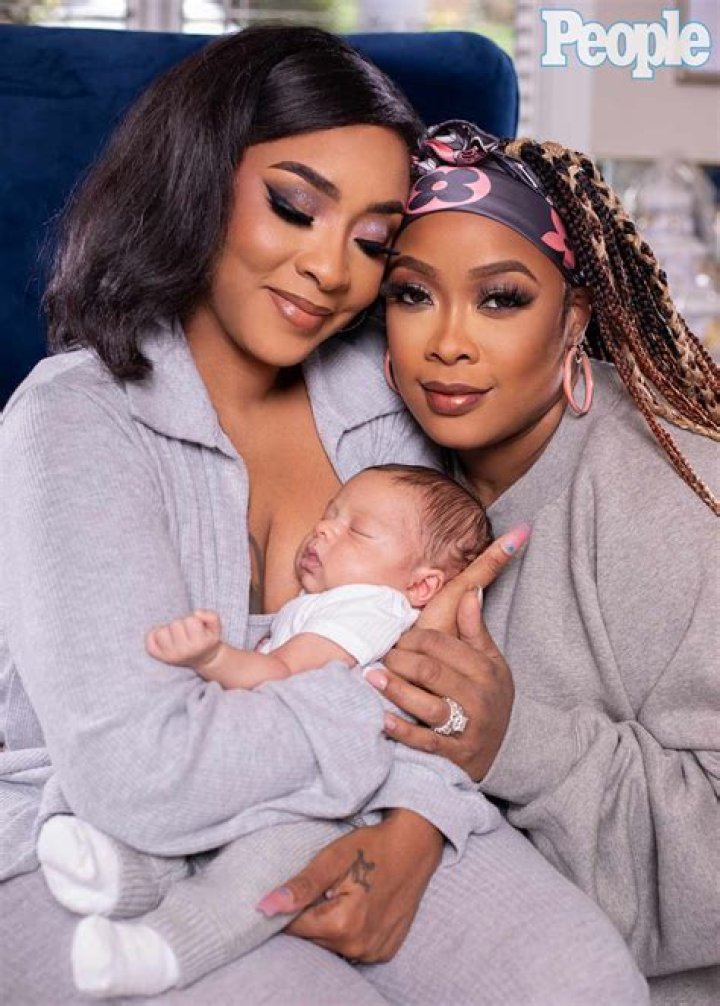
Dr. Gina Sam's POOP Method: An Overview
The POOP method is a framework developed by Dr. Gina Sam, a board-certified pediatrician and certified lactation consultant. It's an acronym that stands for Position, Offer, Observation, and Patience. It's a set of guidelines for assisted feeding, intended to help infants learn to breastfeed effectively.
The POOP method provides specific guidance on how to position the baby, how to offer the breast, how to observe the baby's cues, and how to be patient during the process. These elements work together to ensure a successful breastfeeding experience for both the mother and the baby.
Importance and Benefits of the POOP Method
- Improves latch and attachment, reducing the risk of sore nipples and other breastfeeding difficulties.
- Helps infants learn to feed efficiently, promoting optimal growth and development.
- Enhances the bonding experience between mother and baby.
- Empowers parents with knowledge and skills to confidently breastfeed their infants.
Dr. Gina Sam's POOP Method
Developed by Dr. Gina Sam, a board-certified pediatrician and certified lactation consultant, the POOP Method is a framework for assisted feeding that helps infants learn to breastfeed effectively. It stands for Position, Offer, Observation, and Patience, and each of these aspects plays a crucial role in the success of breastfeeding.
- Positioning: Ensuring the baby is in a comfortable and secure position for breastfeeding.
- Offer: Gently offering the breast to the baby, allowing them to latch on and begin feeding.
- Observation: Watching the baby's cues to determine if they are feeding effectively and if any adjustments are needed.
- Patience: Recognizing that breastfeeding is a learning process for both the mother and the baby, and being patient throughout the journey.
- Bonding: The POOP Method fosters a close bond between mother and baby through the intimate experience of breastfeeding.
- Latch: Proper latching is essential for effective breastfeeding, and the POOP Method provides guidance on how to achieve a deep and comfortable latch.
- Milk Transfer: The POOP Method promotes efficient milk transfer from the mother to the baby, ensuring the baby receives adequate nourishment.
- Comfort: By focusing on proper positioning and a comfortable latch, the POOP Method helps prevent discomfort for both the mother and the baby.
- Empowerment: The POOP Method empowers parents with the knowledge and skills they need to confidently breastfeed their infants.
- Sustainability: The POOP Method provides a sustainable approach to breastfeeding, promoting long-term success and satisfaction.
Overall, the POOP Method is a valuable tool for parents who want to establish and maintain a successful breastfeeding relationship with their babies. It provides practical guidance, promotes bonding, and empowers parents to overcome challenges and enjoy the benefits of breastfeeding.
| Name: | Dr. Gina Sam |
| Profession: | Board-certified pediatrician and certified lactation consultant |
| Area of Expertise: | Breastfeeding and infant feeding |
| Education: | - Medical degree from the University of Toronto- Residency in Pediatrics at the Hospital for Sick Children, Toronto- Fellowship in Neonatal-Perinatal Medicine at the University of British Columbia |
| Accomplishments: | - Developed the POOP Method for assisted feeding- Author of the book "The Breastfeeding Handbook"- Co-founder of the Canadian Breastfeeding Foundation |
Positioning
Proper positioning is a crucial aspect of Dr. Gina Sam's POOP Method for assisted feeding. When the baby is in a comfortable and secure position, they can latch on and feed effectively, reducing the risk of sore nipples, milk leakage, and other breastfeeding difficulties.
- Upright Position: Holding the baby upright, with their head supported and their body close to the mother's, promotes a natural and comfortable latch.
- Cradle Hold: The cradle hold involves supporting the baby's head and neck with one arm while cradling their body with the other. This position provides a secure and comfortable environment for the baby to feed.
- Cross-Cradle Hold: The cross-cradle hold is similar to the cradle hold, but the baby's head is supported by the opposite arm. This position can be helpful for babies who have difficulty latching on or have reflux.
- Football Hold: The football hold involves supporting the baby under their armpits, with their head resting on the mother's forearm. This position can be helpful for babies who are premature or have low muscle tone.
Choosing the right positioning for each individual baby is important. By experimenting with different positions and observing the baby's cues, parents can find the most comfortable and effective position for breastfeeding.
Offer
The "Offer" step in Dr. Gina Sam's POOP method is crucial for successful breastfeeding. It involves gently offering the breast to the baby, allowing them to latch on and begin feeding. This step is important for several reasons:
- Encourages self-latching: By offering the breast, the mother encourages the baby to latch on independently. This allows the baby to find the most comfortable and effective position for feeding.
- Promotes bonding: The act of offering the breast fosters a close bond between mother and baby. Skin-to-skin contact and eye contact during breastfeeding promote emotional connection and attachment.
- Prevents nipple confusion: Offering the breast frequently helps prevent nipple confusion, which can occur when babies are given bottles or pacifiers too early. Exclusive breastfeeding for the first six months is recommended by the World Health Organization to reduce the risk of nipple confusion.
To effectively offer the breast, the mother should:
- Support the baby's head and neck: This ensures the baby is in a comfortable position and can latch on properly.
- Gently tickle the baby's lips with the nipple: This encourages the baby to open their mouth and latch on.
- Wait for the baby to latch on: Avoid pushing the breast into the baby's mouth. Allow the baby to take the breast at their own pace.
By following these steps, mothers can effectively offer the breast and promote successful breastfeeding.
Observation
Observation is a crucial component of Dr. Gina Sam's POOP method for assisted feeding. It involves watching the baby's cues to determine if they are feeding effectively and if any adjustments are needed. This step is important for several reasons:
- Ensures effective feeding: By observing the baby's cues, the caregiver can ensure that the baby is latching on properly, swallowing effectively, and receiving adequate milk.
- Prevents feeding difficulties: Early identification of feeding difficulties through observation can help prevent problems such as nipple pain, milk leakage, and mastitis.
- Promotes bonding: Observation fosters a close bond between the caregiver and the baby as it requires attentive and responsive care.
To effectively observe the baby's cues, the caregiver should:
- Watch the baby's mouth: The baby's mouth should be wide open and flanged around the nipple, with the tongue cupped underneath.
- Listen for swallowing sounds: Regular swallowing sounds indicate that the baby is feeding effectively.
- Observe the baby's cheeks: The baby's cheeks should be rounded and full while feeding, indicating that they are getting a good seal.
- Check for milk leakage: Milk leakage from the baby's mouth or the mother's breast can indicate an improper latch or other feeding difficulty.
By observing the baby's cues and making adjustments as needed, the caregiver can ensure that the baby is feeding effectively and comfortably. This contributes to the overall success and satisfaction of the breastfeeding experience.
Patience
Patience is a crucial aspect of Dr. Gina Sam's POOP method for assisted feeding. Breastfeeding is a skill that both the mother and the baby need to learn, and it takes time and patience to establish a successful breastfeeding relationship.
- Understanding the Learning Curve: Breastfeeding involves a complex interplay of anatomy, physiology, and behavior. Both the mother and the baby need time to learn how to latch on, suck, and transfer milk effectively.
- Allowing for Individual Differences: Every mother-baby pair is unique, and the pace of learning will vary. Some babies latch on easily and quickly, while others may take more time and effort.
- Managing Expectations: It's important to have realistic expectations about breastfeeding. It's normal to encounter challenges along the way, and it's important to be patient and persistent in overcoming them.
- Seeking Support: If difficulties arise, don't hesitate to seek support from a lactation consultant, healthcare provider, or breastfeeding support group. They can provide guidance, encouragement, and practical solutions.
By embracing patience and recognizing that breastfeeding is a learning journey, mothers can reduce stress, build confidence, and increase their chances of long-term breastfeeding success.
Bonding
The POOP Method, developed by Dr. Gina Sam, places great emphasis on the bonding aspect of breastfeeding. Breastfeeding is not merely a means of providing nourishment to the baby; it is also a profoundly intimate and bonding experience that strengthens the emotional connection between mother and child.
POOP
Latch
Proper latching is crucial for effective breastfeeding, and the POOP Method, developed by Dr. Gina Sam, places great emphasis on achieving a deep and comfortable latch. A proper latch ensures that the baby can extract milk efficiently, minimize nipple pain for the mother, and prevent breastfeeding difficulties.
The POOP Method provides step-by-step guidance on how to achieve a proper latch. The "Position" and "Offer" steps prepare the baby for latching, while the "Observation" step allows the caregiver to assess the baby's latch and make adjustments as needed. The "Patience" step acknowledges that achieving a proper latch may take time and effort, and encourages caregivers to be patient and persistent.
A proper latch is essential for successful breastfeeding. It promotes milk transfer, reduces the risk of nipple pain and damage, and enhances the bonding experience between mother and baby. By providing guidance on how to achieve a proper latch, the POOP Method contributes to the overall success and satisfaction of the breastfeeding journey.
Milk Transfer
The POOP Method, developed by Dr. Gina Sam, is a comprehensive framework for assisted feeding that emphasizes the importance of milk transfer. Efficient milk transfer is crucial for ensuring that the baby receives adequate nourishment and thrives.
When a baby latches on properly, as guided by the POOP Method, they create a seal around the mother's nipple. This seal allows the baby to extract milk effectively through sucking. The "Observation" step of the POOP Method encourages caregivers to observe the baby's latch and make adjustments as needed to optimize milk transfer.
Adequate milk transfer is essential for the baby's growth and development. Breast milk provides the ideal nutrition for babies, containing all the essential nutrients they need. Efficient milk transfer ensures that the baby receives these nutrients and calories, supporting their overall health and well-being.
The POOP Method empowers caregivers with the knowledge and skills to achieve efficient milk transfer. By following the steps of the method, caregivers can promote proper latching, minimize interruptions during feeding, and ensure that the baby is receiving adequate nourishment.
Comfort
The POOP Method, developed by Dr. Gina Sam, is a comprehensive framework for assisted feeding that places great emphasis on the comfort of both the mother and the baby. Discomfort during breastfeeding can stem from various factors, including improper positioning, a poor latch, and underlying medical conditions. The POOP Method addresses these issues through its focus on proper positioning and a comfortable latch, ensuring a positive and pain-free breastfeeding experience.
- Proper Positioning:
Proper positioning is crucial for the comfort of both the mother and the baby. The POOP Method provides guidance on different positioning options, such as the cradle hold, cross-cradle hold, and football hold. These positions support the baby's body and head, ensuring a comfortable and secure latch. - Comfortable Latch:
A comfortable latch is essential for preventing nipple pain and other discomfort for the mother. The POOP Method emphasizes the importance of a deep and wide latch, where the baby's mouth covers a large portion of the areola. This type of latch promotes effective milk transfer and minimizes the risk of nipple soreness. - Prevention of Discomfort:
By promoting proper positioning and a comfortable latch, the POOP Method helps prevent various types of discomfort that can arise during breastfeeding. These include nipple pain, breast engorgement, and mastitis. By addressing these issues proactively, the POOP Method contributes to the overall success and sustainability of the breastfeeding journey.
In conclusion, the POOP Method's focus on comfort is integral to its effectiveness as a framework for assisted feeding. By prioritizing the comfort of both the mother and the baby, the POOP Method promotes a positive and pain-free breastfeeding experience, fostering a strong bond between the two.
Empowerment
The POOP Method, developed by renowned pediatrician and lactation consultant Dr. Gina Sam, is a comprehensive approach to assisted feeding that empowers parents with the knowledge and skills they need to confidently breastfeed their infants. This empowerment has a profound impact on the breastfeeding journey and contributes significantly to its success and sustainability.
- Knowledge Acquisition:
The POOP Method provides parents with a wealth of evidence-based information on breastfeeding, covering topics such as proper positioning, effective latch, and troubleshooting common challenges. This knowledge equips parents with the understanding they need to make informed decisions about their breastfeeding journey. - Skill Development:
Beyond knowledge acquisition, the POOP Method emphasizes the development of practical skills. Through step-by-step guidance and hands-on practice, parents learn how to position their babies, achieve a comfortable latch, and observe the baby's cues for effective feeding. These skills empower parents to confidently navigate the breastfeeding process. - Decision-Making Confidence:
The knowledge and skills gained through the POOP Method empower parents to make informed decisions about their breastfeeding journey. They develop the confidence to identify and address challenges, adjust their approach as needed, and make choices that are in line with their individual needs and goals. - Long-Term Success:
Empowerment is crucial for the long-term success of breastfeeding. When parents feel knowledgeable, skilled, and confident, they are more likely to persist through challenges and continue breastfeeding for as long as they desire. This contributes to optimal infant nutrition, maternal health benefits, and a strong parent-child bond.
In conclusion, the empowerment provided by the POOP Method is a cornerstone of its effectiveness. By equipping parents with the knowledge, skills, and confidence they need, the POOP Method empowers them to embrace the breastfeeding journey with confidence, make informed decisions, and achieve their breastfeeding goals.
Sustainability
The sustainability of the POOP Method lies in its focus on long-term success and satisfaction in breastfeeding. By providing a comprehensive framework that addresses the needs of both the mother and the baby, the POOP Method empowers parents to establish and maintain a breastfeeding relationship that is both enjoyable and sustainable over time.
- Nurturing a strong parent-child bond:
The POOP Method recognizes the importance of the emotional connection between mother and baby during breastfeeding. Through its emphasis on skin-to-skin contact and responsive feeding, the method fosters a strong bond that contributes to the overall well-being and development of the child. - Preventing common breastfeeding challenges:
The POOP Method's focus on proper positioning, latch, and observation helps prevent common breastfeeding challenges such as nipple pain, engorgement, and mastitis. By addressing these issues proactively, the method reduces the likelihood of mothers experiencing discomfort or frustration, which can contribute to breastfeeding cessation. - Empowering parents with knowledge and skills:
The POOP Method equips parents with the knowledge and skills they need to confidently breastfeed their infants. This empowerment enables them to troubleshoot challenges, adjust their approach as needed, and make informed decisions about their breastfeeding journey. Empowered parents are more likely to continue breastfeeding for longer durations, contributing to the sustainability of the practice. - Promoting a healthy lifestyle for both mother and baby:
Breastfeeding is recognized as a key component of a healthy lifestyle for both mother and baby. The POOP Method supports this healthy lifestyle by promoting exclusive breastfeeding for the first six months and continued breastfeeding for up to two years or beyond. Breastfeeding provides optimal nutrition for infants, reduces the risk of allergies and infections, and contributes to maternal weight loss and reduced risk of certain chronic diseases.
By addressing these key facets, the POOP Method provides a sustainable approach to breastfeeding that promotes long-term success and satisfaction. It empowers parents with the knowledge, skills, and confidence they need to establish and maintain a breastfeeding relationship that is both enjoyable and beneficial for both mother and baby.
FAQs about Dr. Gina Sam's POOP Method
This section addresses common questions and misconceptions about Dr. Gina Sam's POOP Method, providing evidence-based and informative responses.
Question 1: Is the POOP Method a safe and effective way to feed infants?
Yes, the POOP Method is a safe and effective way to feed infants. It is based on evidence-based practices and recommended by healthcare professionals. The method provides guidance on proper positioning, latch, and observation, which are essential for successful breastfeeding.
Question 2: Can the POOP Method help prevent breastfeeding challenges?
Yes, the POOP Method can help prevent common breastfeeding challenges such as nipple pain, engorgement, and mastitis. By focusing on proper latch and positioning, the method reduces the risk of these issues and promotes a comfortable and sustainable breastfeeding experience.
Question 3: Is the POOP Method suitable for all infants?
Yes, the POOP Method is suitable for most infants. However, it is important to note that some infants may require specialized feeding techniques or support due to underlying medical conditions or. In these cases, consulting with a healthcare professional or lactation consultant is recommended.
Question 4: How long does it take to learn the POOP Method?
The time it takes to learn the POOP Method varies depending on the individual. Some parents may grasp the concepts quickly, while others may require more practice and support. It is important to be patient and persistent, and to seek professional help if needed.
Question 5: Can the POOP Method help improve milk supply?
While the POOP Method focuses on effective feeding techniques, it does not directly address milk supply issues. Increasing milk supply typically involves addressing factors such as frequent feeding, demand-based nursing, and ensuring proper latch. Consulting with a lactation consultant can provide personalized guidance on increasing milk supply.
Question 6: Is the POOP Method only suitable for first-time parents?
No, the POOP Method is beneficial for both first-time and experienced parents. Even experienced parents may encounter challenges or need a refresher on proper breastfeeding techniques. The POOP Method provides a structured and evidence-based approach to breastfeeding that can support parents at any stage of their breastfeeding journey.
In summary, the POOP Method is a safe, effective, and evidence-based approach to infant feeding. It can help prevent breastfeeding challenges, promote a comfortable and sustainable breastfeeding experience, and support parents in meeting their breastfeeding goals.
For further information or personalized guidance, it is always advisable to consult with a qualified healthcare professional or lactation consultant.
Tips for Effective Breastfeeding Using the Dr. Gina Sam POOP Method
The Dr. Gina Sam POOP Method provides a comprehensive and evidence-based approach to infant feeding. By following these tips, parents can enhance their breastfeeding experience and promote successful and sustainable breastfeeding.
Tip 1: Ensure Proper Positioning
Proper positioning of the baby is crucial for a comfortable and effective latch. Support the baby's head and neck, and bring their body close to yours. Experiment with different holds, such as the cradle hold or cross-cradle hold, to find the most suitable position for both you and your baby.
Tip 2: Offer the Breast Gently
Avoid pushing the breast into the baby's mouth. Instead, gently tickle their lips with the nipple to encourage them to open their mouth wide. Allow the baby to latch on at their own pace, creating a deep and comfortable seal.
Tip 3: Observe the Baby's Cues
Pay attention to the baby's cues to ensure they are feeding effectively. Look for a wide open mouth, flanged lips, and regular swallowing sounds. If the baby is not latching properly or is having difficulty sucking, adjust your positioning or seek professional help.
Tip 4: Be Patient and Persistent
Breastfeeding is a learning process for both the mother and the baby. Be patient and persistent, and don't get discouraged if you encounter challenges along the way. Seek support from a lactation consultant or healthcare professional if needed.
Tip 5: Seek Professional Help When Needed
If you are experiencing persistent pain, difficulty latching, or any other breastfeeding challenges, do not hesitate to seek professional help. A lactation consultant or healthcare professional can provide personalized guidance and support to address your specific concerns.
By incorporating these tips into your breastfeeding practice, you can increase the likelihood of a successful and enjoyable breastfeeding experience. Remember to be patient, seek support when needed, and prioritize the well-being of both yourself and your baby.
Conclusion:
The Dr. Gina Sam POOP Method is a valuable tool for parents seeking to establish and maintain a successful breastfeeding relationship. By following the principles of Position, Offer, Observation, and Patience, parents can promote a deep and comfortable latch, prevent common breastfeeding challenges, and foster a strong bond with their babies.
Conclusion
Dr. Gina Sam's POOP Method is a comprehensive and evidence-based approach to infant feeding that emphasizes proper positioning, gentle offering of the breast, attentive observation, and patience. By following these principles, parents can enhance the breastfeeding experience, promote a deep and comfortable latch, prevent common breastfeeding challenges, and foster a strong bond with their babies.
This method has gained widespread recognition and adoption among healthcare professionals and parents alike due to its effectiveness and focus on the well-being of both mother and baby. By empowering parents with the knowledge and skills they need to breastfeed confidently and successfully, the POOP Method contributes to the promotion of optimal infant nutrition, maternal health, and the establishment of a strong parent-child bond.
Chris Hemsworth's Religion: Unraveling The Mystery Of The Norse God
Nancy Shevell: Uncover Hidden Discoveries And Insights
Uncover The Transformative Insights Of Derek W. Bottoms
Dr. Gina Sam, MD, MPH, Gastroenterologist Gastroenterology in BRONX
Dr. Sam Joins CPH Gastro Team Health Hive